

INTERVIEW: Francisco Calderón M. – PHOTOGRAPHY: Kate Atenas
INSTAGRAM: @sexologa.kateatenas
WEBSITE: www.kateatenas.com
Sexuality always caught her attention, but it was in college when she had the opportunity to study it more and today she is a renowned therapist for couples who need to reconnect. A Chilean from Spain to the world.
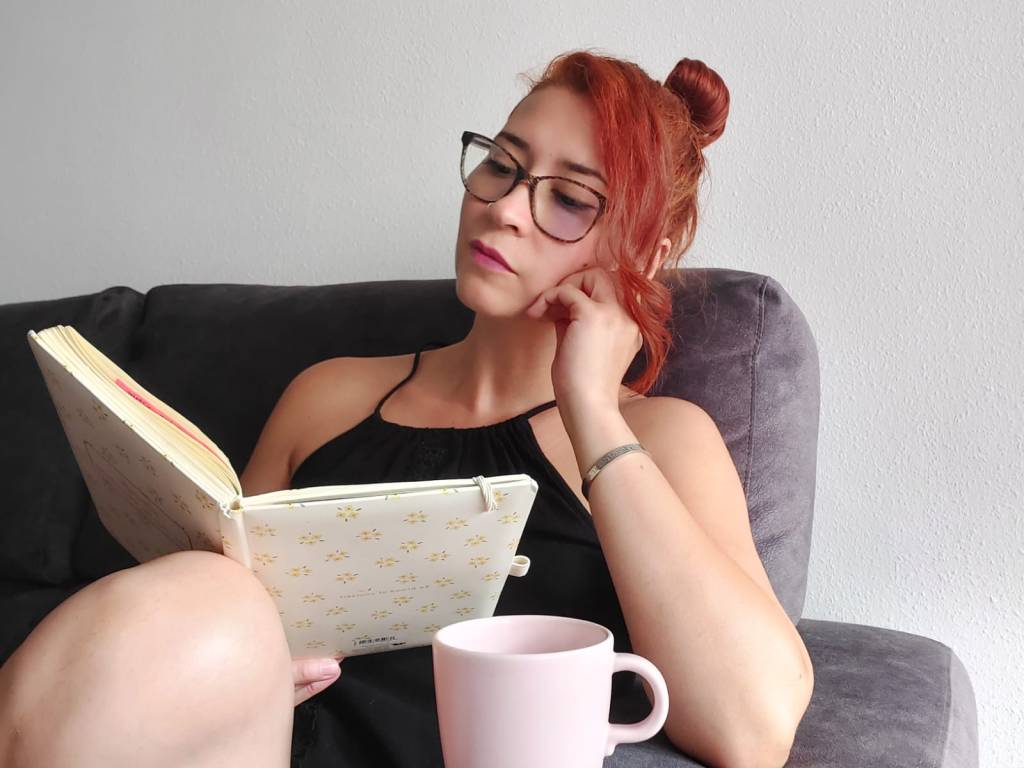
How did you start studying the topic of sexology? What motivated you to do it?
Sexuality is a topic that always made me curious, but at first I didn’t know that I would dedicate myself to this. At university was when I started to study it in a more academic way, for example, when I had to do a project on a free topic, I remember that I chose something related to sexuality and that’s how I learned little by little, but when I got involved with everything it was When I did the thesis that dealt with the sexuality of women who suffer violence from their partners, I learned a lot there! I remember that I went quite often to a library in the commune of Quinta Normal, which I loved, it had an exclusive room on sexuality, from erotic literature to more theoretical books, I spent hours there and took many books home to continue studying. It was a nice time. Then I started my first job where we cared for women victims of gender violence, there was violence of all types and of all severity. Sexual violence was one of the aspects that we reviewed with women but that was only on paper, since in practice there were no concrete guidelines to deal with this issue. And there I confirmed something that I had already realized with the thesis, and that is that there were very few institutional spaces to address sexual violence, so imagine how few spaces there must have been to promote healthy, responsible, empathetic, free sexuality (… ) And there I decided that I would dedicate myself to this, to be a sexologist, but not only to treat extreme cases such as violence but also to help people who want to improve any aspect of their sexuality.
What do people who know you say about you being a sexologist?
They take it well, at least while they are talking to me (laughs). Most people are curious, they tell me “how interesting,” and some don’t say anything to me, but I don’t worry about interpreting that silence. Everyone is free to think what they want so I don’t take it personally, the only thing that matters is getting to the end of the day and feeling good about yourself, and that’s how I feel.
What does sexual therapy consist of and where do you do your consultations?
Sexual therapy is for all people who want to improve some aspect of their sexuality, for example, people come who want to solve a more clinical problem, such as problems reaching orgasm, lack of desire, pain during penetration, erection problems , premature ejaculation, and so on. And people who feel very anxious in sexual relations, or who have problems relating emotionally with other people, also come, the truth is quite varied. My consultations are online, which has been wonderful because I have been able to assist people from several countries, such as Guatemala, Mexico, New Zealand, Spain, and of course Chile. I think that the virtual mode also helps a lot to break down those barriers of fear that sometimes arise when dealing with these issues on a more professional level. Some patients tell me that they did not dare to do it any other way, and that being able to be in their Houses in a safe space feel more comfortable talking confidently about their situation. In my case, the online consultations have been a success, and I think it has also helped a lot that we have now become much more accustomed to virtual things.
What is the difference between couples therapy and sexual therapy?
In couples therapy, both of them come for consultation, although sometimes it also happens that a person starts in individual sexual therapy and then the couple joins in, it is something very dynamic to be honest. Couples who come to therapy are usually due to issues of sexual dissatisfaction or infidelity, but couples therapy does not just stop there, since in reality it is common for the cause of all this to be found in communication problems or coexistence problems. , which are then expressed in, for example, a lack of desire or infidelity. So couples therapy is somewhat more complex because it requires that both be committed to wanting to change things that sometimes are difficult for them to give in, but it is truly quite a beautiful and enriching job, seeing two people reconnect and enjoy their relationship. time together.
How do a man and a woman experience sexuality?
This is a controversial topic and I could say that it is one of the great questions that I have asked myself in life (laughs) and that has been on my mind for a long time, I believe that there is indeed a difference, but it is a fictitious difference, and I want to be emphatic about fictitiousness, because it has nothing to do with us having different brains or different feelings as some have mistakenly tried to demonstrate. Let’s see, it is undeniable, we have a different genital anatomy, but do genitals really make us behave the way we do? Do hormones really make us think and feel so differently? In my opinion, it seems to me that this is a very simple explanation. I believe that these ideas that women are from Venus and men from Mars only mean that we do not understand each other, that we separate and even that we become enemies in this eternal war of the sexes that we have invented. I think that we are different because we have insisted on being so, because we have been educated to be that way, from the moment we are born our parents and society create expectations of how we should be according to what we have between our legs, they dress us in a certain way, They talk to us in a certain way, they buy us specific toys, and so little by little we differentiate ourselves to the point of becoming incomplete, and as a result we have women who block their sexuality, and men with problems bonding emotionally, and that is a pattern that It is repeated over and over again in the cases I see in consultation. We have become so different sexually and emotionally that it is difficult for us to find each other.
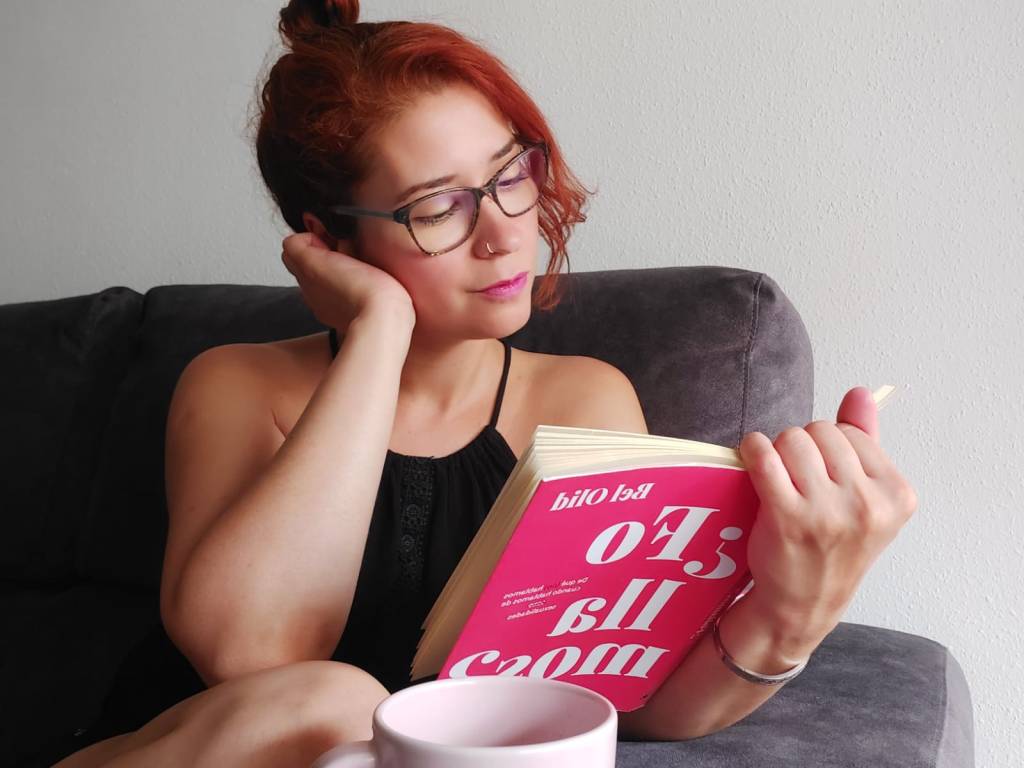
Tell an anecdote or several that you have experienced as a sexologist?
Let’s see, I don’t know if it’s an anecdote, or at least it’s not a pleasant anecdote, but there was a time when I received many photos of penises, at all hours, sometimes I was having breakfast and boom! They sent me a photo. I had to speak several times on my social networks about this and there were quite a few people who supported me and spread the message, and also others who stopped following me, I suppose they were the ones who sent the photos or had plans to do so.
What do you like and don’t like about being a sexologist?
I don’t think I’ve ever felt as fulfilled in a job as I do now. What I like most is that satisfaction that I get every time I assist a person in consultation, really, it’s like wow! thrilling. I really like to accompany my patients in discovering and improving their sexuality and I feel that in some way each life experience they tell me also nourishes me and makes me grow. I think that a good therapist is not one who distances himself and puts up barriers. I think that doing the job well requires getting involved and thinking that in a space of honesty there is also feedback. What I don’t like is when they use my work to get sexually close to me. It happens to me that sometimes there are men who approach me pretending to be interested in therapies, and after having explained the entire process to them they begin to make sexual advances to me, sometimes quite explicit, that makes me very angry because in addition to being clumsy and violent, They waste my time.
Are Chileans good in bed? How is that measured?
Most Chileans think that you become “good” in bed with a lot of experience, but it has nothing to do with technique or time or anything like that. The first thing, and very important, is that to be good in bed you need connection between people, because you can have a “great performance” but if there is not that chemistry, it will not become more than an anecdote. To be good in bed you need to be intuitive, be very attentive and attentive to bodily changes, when you pay that attention it is as if the body was speaking for itself, asking for the next caress, desiring the next step. Being good is generating trust so that the other person feels comfortable, because a person who is nervous will not have a good time, you have to know how to give them security so that they can feel without mental limits. And I also think that being good in bed means worrying about the before and after, that is, once it’s over, the other person doesn’t feel disposable, because no matter how good the sex was, the final feeling of discomfort it stains everything. Sex is an experience, you have to get involved and take care of all the details.
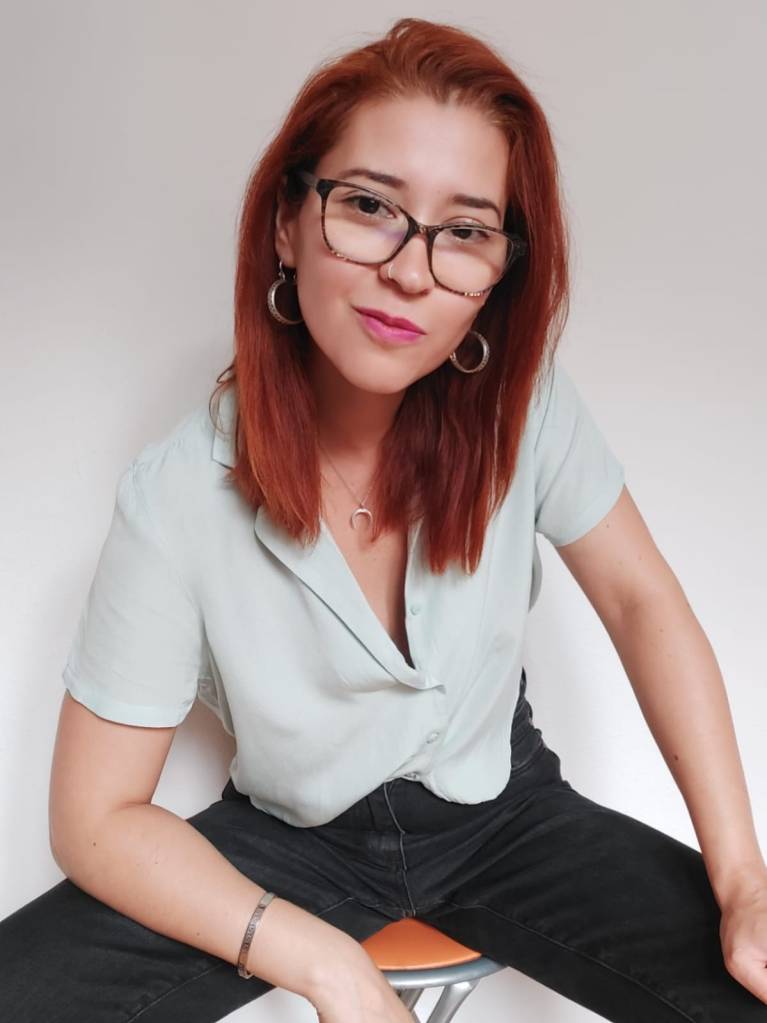
You are living in Spain, how is sexuality experienced in that country unlike in Chile?
I believe that the concerns regarding sexuality are more or less the same, the cases that I see in consultation as well, but I do see an important difference and that is that I feel that in general women are more free and there is not as much control over their bodies. I’m going to give an example, in Spain there are no «compliments», there is not the level of street harassment that is experienced in Chile. I remember that when I was a child, imagine about 11 years old, quite old men told me things on the street. They made gestures at me, made faces, or brought their bodies closer as if they were going to throw themselves on top of me. Imagine growing up with something like that, imagine how that affects the development of one’s sexuality, confidence, the relationship with the body, the security that is needed for something as simple as walking on the street or taking a bus. And that continues to happen, I think it happens less, but I don’t know if it has stopped happening to me because I am an adult and can defend myself, or because now there is greater social awareness. I’d like to think it’s the latter.
Can a person live without sex?
Yes, of course, sex is not a basic need like sleeping, eating or breathing, so you can perfectly live without sex. The choice of whether to have sex, or how many times a week, month or year, should always be your own decision. Having sex is one thing but sexuality is another, let’s say that sex is an expression of sexuality but it is not everything, I believe that even if we choose not to have sex we must not forget that we are sexual beings, and that in order to improve ourselves spiritual or intellectual level it is necessary to pay attention to that part of us.
What are the myths about sexuality that hurt the most?
Oops! I think there are several (laughs), but perhaps the most damaging are the ideas that size matters, or that women should be modest in their sexuality, or that it takes a lot of experience to be good in bed, or that the most important is penetration, or that all men and all women are equal, or that having a lot of sex is bad, or that having little sex is bad (laughs) we are obsessed with quantity.

What advice would you give to people who are starting out in the topic of sexology?
I would tell them to study hard, compare, be critical, and not cling to just one idea. We must be clear that in matters of sexuality there is no truth that applies to everyone or that works for everyone, we must know how to adapt to each context and each story. In sexuality you don’t have to be rigid, if you are rigid you are not doing the job well. And above all, I would tell them to work on their own self-knowledge, to delve deeper into their sexuality, and to apply the things they learn.
Blacksmith’s house, wooden knife?
How different is sexologist Kate from everyday Kate? I feel that knowledge is nothing if it does not serve as learning for one’s own life. Since I started studying sexuality issues, I myself have been changing and growing. Many of the contents that I share, or reflections that I make in consultation, I have applied in my life and I have seen positive results, that is why I know that they are effective, they have helped me and I think they could also help others. In therapy I always say that the key to tranquility, or what others might call happiness, is being consistent with what you think, feel and do. In sexuality as well as in life I have tried to follow that motto, and you know, it has worked for me I think I have reached a point where I feel coherent with my sexuality, connected with that part of me. I am also aware that this is not over and that there are things that I must continue working on, people are super complex beings, but being conscious is already a very important step. If you ask me how I live sexuality now, I would tell you that with acceptance of who I am, almost reconciled with my past. I give my best, and that’s the best we can all do.

 www.cmstudiosinc.com