REPORTAJE: Francisco Calderón M. – FOTOGRAFIAS: Distintos Medios
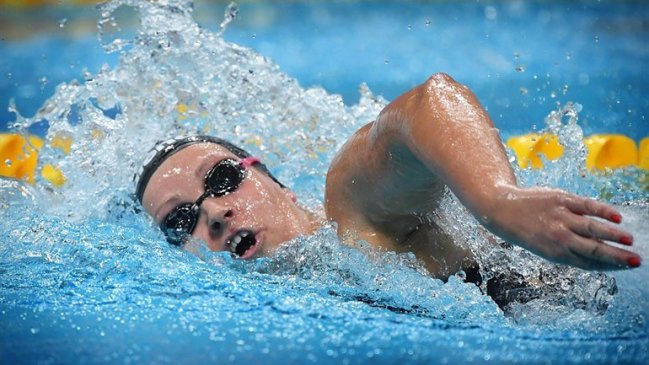
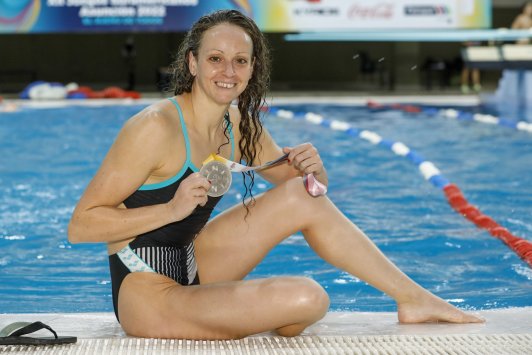
Nadadora chilena Kristel Kobrich, ganadora medalla de plata en los 1.500 metros en natación.
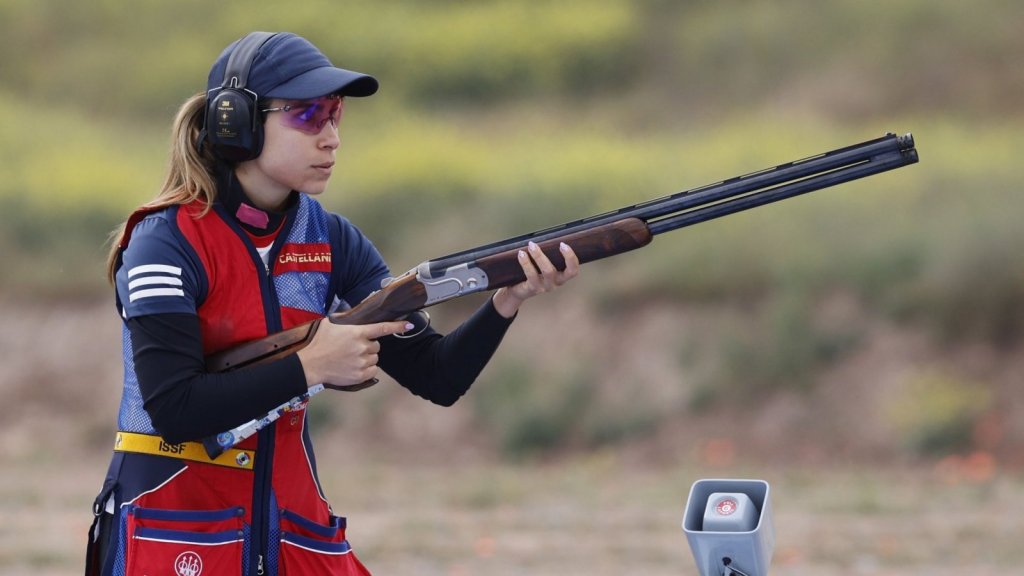
Francisca Crovetto, deportista chilena, medalla de Oro, en Tiro al Blanco.
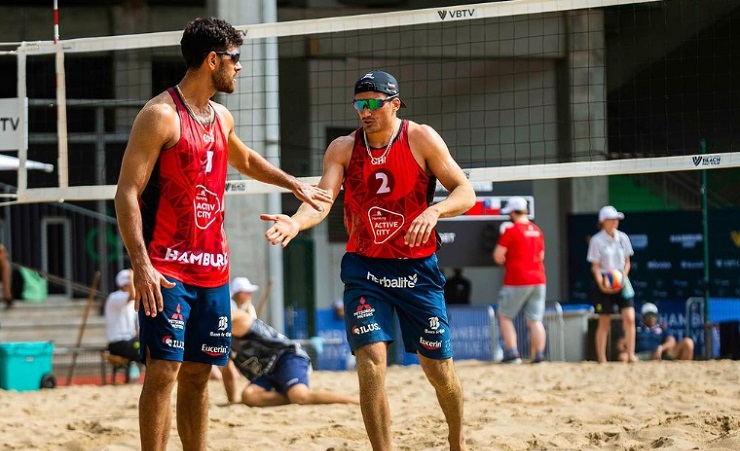
Primos Grimalt, voleybolistas playa
Martina Weil al llegar a la meta
Atleta chilena Martina Weil quien ganó medalla de Oro, en los 400 metros planos.
Atletas chilenas sileciando los dichos del comentarista deportivo Fernando Solabarrieta tras referirse a Isidora Jiménez, aludiendo a tener un bajo rendimiento deportivo.
Lucha Grecorromana
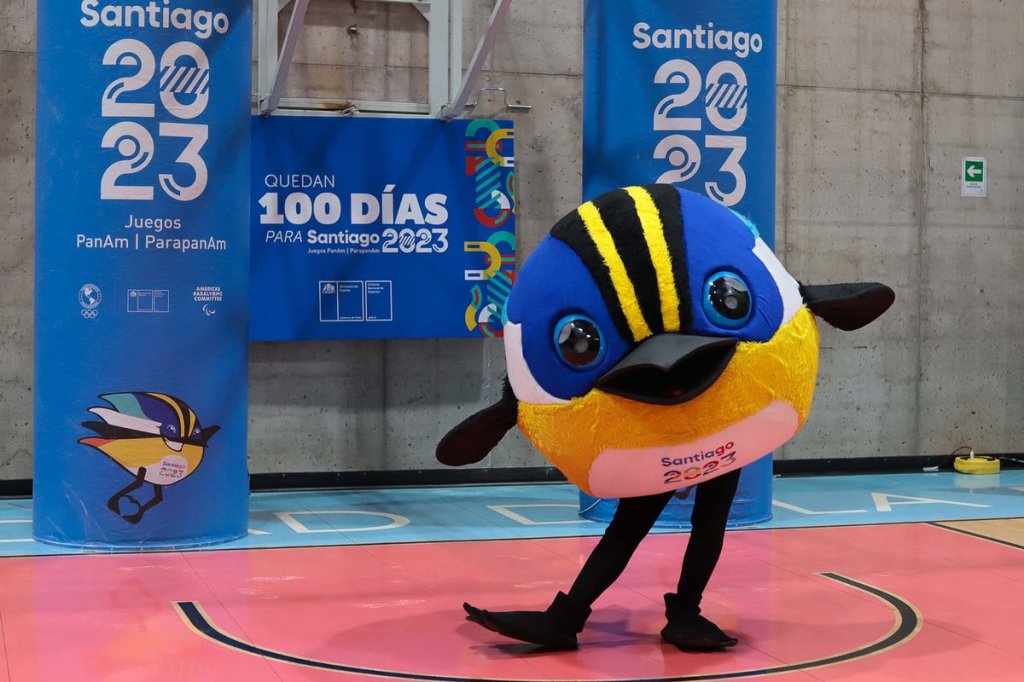
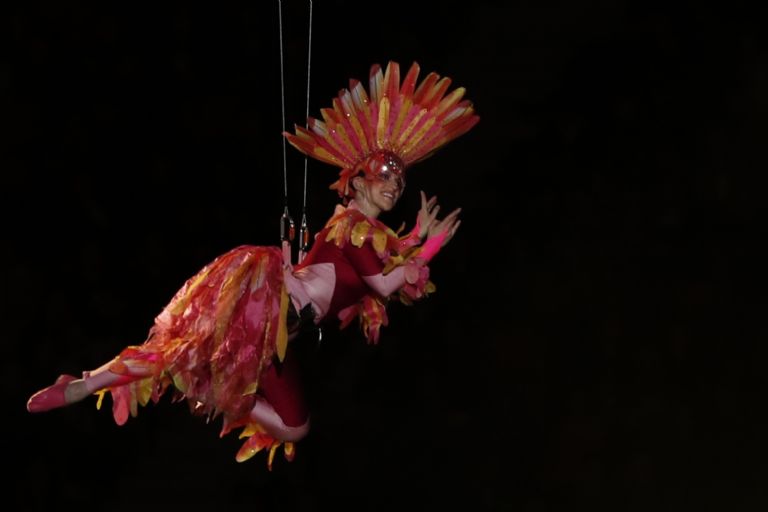
Fiu, mascota de los Juegos Panamericanos Santiago 2023
REPORTAJE: Francisco Calderón M. – FOTOGRAFIAS: Diversos Medios
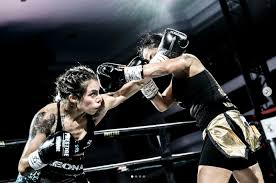
Nacida y criada en Valdivia, Chile, es violinista y psicopedagoga, aún asi, a los 18 años se dedica a practicar los deportes de contacto como el box y el quickboxing.
En la historia del deporte chileno, es la primera boxeadora en convertirse campeona supermosca segun la entidad internacional de la disciplina.
Recorriendo su trayectoria, descubrimos que lleva 12 años practicando el boxeo silenciosamente, posicionándose como campeona chilena y latinoamericana, estando dentro de las primeras diez en el ranking mundial de su categoria.
Profesionalmente, es la segunda boxeadora chilena despues de Carolina «Crespita Rodríguez», gracias a su trabajo y estudios de psicopedagoga y las clases de violin que ha dado para financiar su carrera en Valdivia, enfrentando asi tambien los prejuicios en este deporte, por ser más practicado por hombres que mujeres, por lo que se ha dedicado desde el 2018 a la enseñanza del box con el objetivo de abrir camino para las próximas deportistas.
En 2012 inicia profesionalmente su carrera en el boxeo.8
En el 2016, junto con Carolina Rodríguez, eran las únicas boxeadoras profesionales en Chile.910
Participó en diversos campeonatos de kickboxing sudamericanos,1112 consiguiendo el título sudamericano de kickboxing en Montevideo en octubre de 2017 contra Camila Aspe.1310
Es campeona nacional peso supermosca desde 2011.1415 Desde ese año se dedica completamente al boxeo, practicando y enseñando esta disciplina en su Club K.O. de Valdivia.16
Por una lesión cervical1718 no pudo disputar el título mundial de la Federación Internacional de Boxeo (FIB) ante la argentina Débora Dionicius el 18 de mayo de 2018 en el Club Huracán de Villaguay, Argentina, como estaba programado.1920
El 22 de septiembre de 2018 en el Gran Arena Monticello,21 consigue el título de campeona latinoamericana de la AMB, al derrotar a la panameña Carlota Santos por nocaut técnico en el tercer asalto.22
El 2 de septiembre de 2019 la AMB retiró el cinturón a Asenjo, por problemas de pesaje en una pelea realizada en México.23
El 12 de octubre de 2019 logra el cinturón latinoamericano supermosca de la OMB24 contra la argentina Aixa Adema.2526
El 19 de abril de 2020 Asenjo pelearía para recuperar el título mundial supermosca de la AMB contra la mexicana Maribel Ramírez, pero por la pandemia fue cancelado.16
En junio de 2022 obtuvo el campeonato mundial supermosca de la Organización Internacional de Boxeo (OIB) tras derrotar a la estadounidense Casey Morton en París. Su victoria fue declarada por decisión de los jueces de la pelea.2
Además en octubre de 2023 logró obtener el título del Consejo Mundial de Boxeo (CMB) después de derrotar a la Kazaja Angelina Lukas en Estambul.
REPORTAJE: Francisco Calderón M. – FOTOGRAFÍA: Fotobanco.
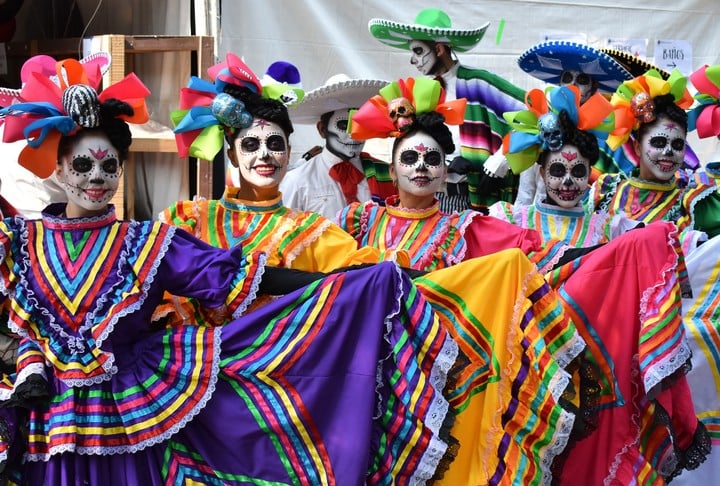
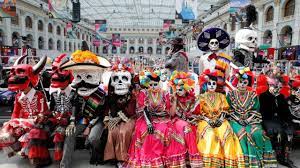
El «Día de los muertos» se celebra cada 1 y 2 de Noviembre como es tradicional en el país de México, y su origen se remonta hace 3.000 atrás cuando los aztecas festejaban en honor al dios Mictlantecuhtli y Mictecacihuatl, el señor y la señora del Mictlán.
Señora Mictecacihuatl, señora de la muerte y reina del Mictlán.Dioses del Mictlán
La conquista llevada a cabo por España, mantuvo la tradición azteca del «Dia de los muertos», llevando a que incluso muchas personas le agregaran santos de la religión católica junto a esta fiesta azteca.
El 1 de Noviembre la iglesia estableció el «Dia de Todos los Santos«, como una fecha para recordar a los niños fallecidos y el 2 del mismo mes, como un día para recordar a los adultos fallecidos bajo el nombre de «Día de Muertos».
¿Cómo se recuerda a los fallecidos?
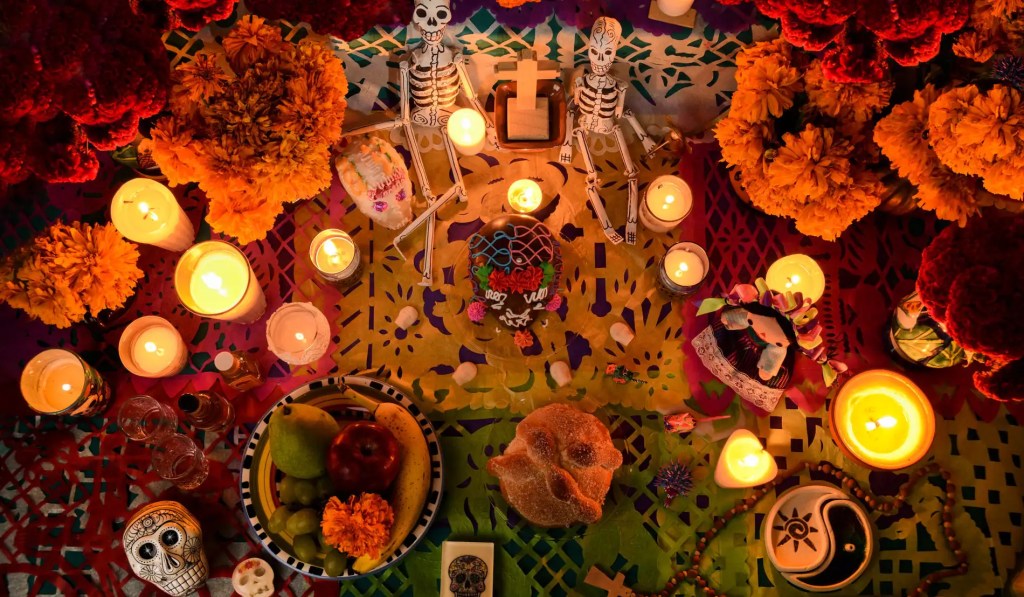
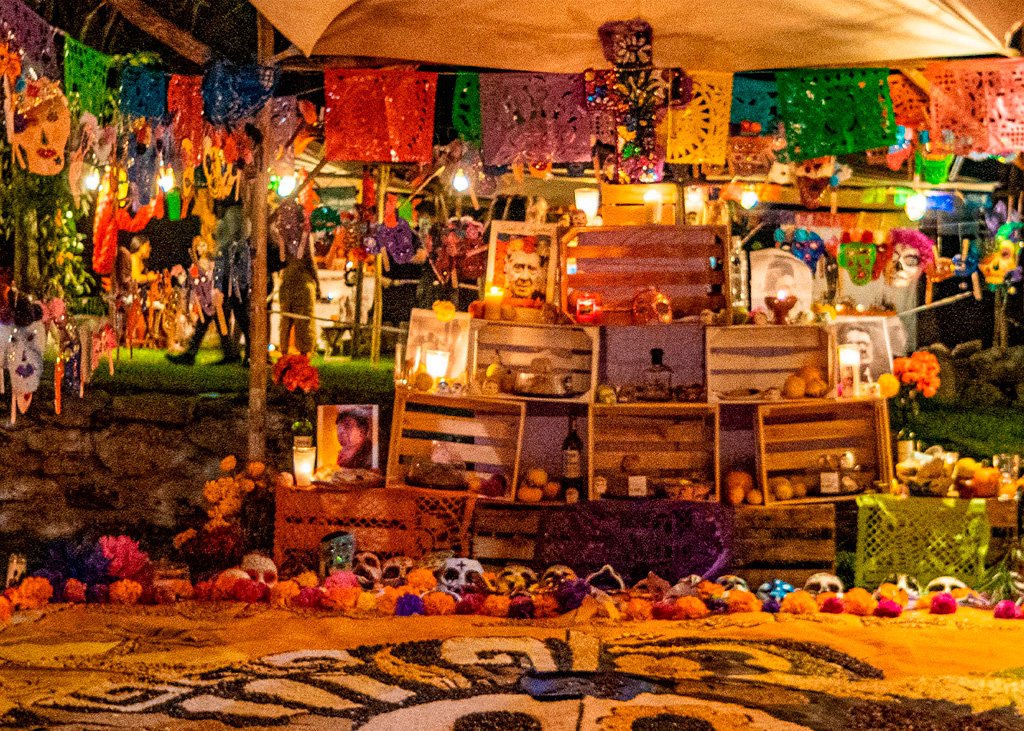
Para recordarlos la gente suele usar altares para atraerlos y venerarlos, y hacen las decoraciones con papel picado, la comida, Flor de Cempashucil, asi como calaveristas de azúcar, esenciales en esats fiestas.
Estética de la Fiesta.
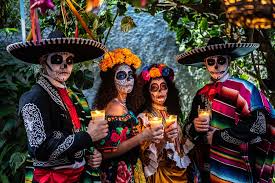
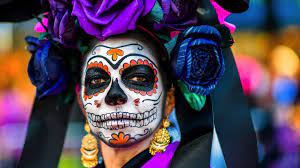
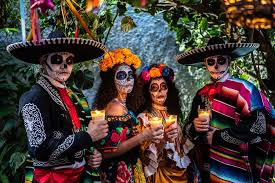
Las personas suelen pintarse la cara con forma de calavera con diversos elementos como la catrina y calaveras de azúcar, siendo el maquillaje el principal elemento para representar esta fiesta, para enfrentar el temor a la muerte con colorers brillantes dándole a la muerte una vida, una connotación más positiva.
Tambien pintarse la cara con forma de calavera, demuestra una forma de normalizar la muerte y celebrar la vida, pintando por ello diversas flores de colores para darle símbolo a este concepto.
Los colores también tienen su significado como:
Rojo: representa la sangre de nuestro cuerpo. En el caso de los católicos, este color puede verse como la sangre de Jesús.
Naranja: representa al sol.
Amarillo: usualmente utilizado con la flor de cempasúchil, la cual representa la vida y la muerte.
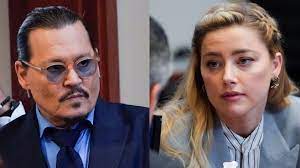
La pareja se conoció el año 2009 en el set de grabación de la película “The Rum Diaries” y después de varios años de relación contraen matrimonio el año 2015.
El casamiento no fue muy duradero luego que, al año siguiente, Amber le pidiera el divorcio a su cónyuge, acusándolo de haberla golpeado en varias oportunidades.
Esto provocó una gran reacción en los medios de comunicación que señalaban a Deep como un hombre violento y maltratador, lo que llevó al actor a demandar a Heard por difamación después de que ella imputara “abuso doméstico” (delito que en nuestra legislación es conocida como violencia intrafamiliar) en una columna de opinión publicada en “The Washington Post” en 2018.
Es importante mencionar que las leyes en Estados Unidos varían según el estado, por lo que la estrategia de los abogados representantes de Johnny fue presentar la demanda en el estado de Virginia del Norte, debido a que la edición de “The Washington Post” se publica en ese condado y las leyes en dicho lugar son más estrictas en cuanto al delito de difamación.
La demanda del actor fue cuantificada en 50 millones de dólares por daños y perjuicios ocasionados, ya que su imagen y reputación habría sido absolutamente dañada por los dichos de su expareja, y no solo sus dichos, ya que en la Revista People la actriz lució con moretones haciendo alusión a las agresiones que recibía por parte de su exesposo.
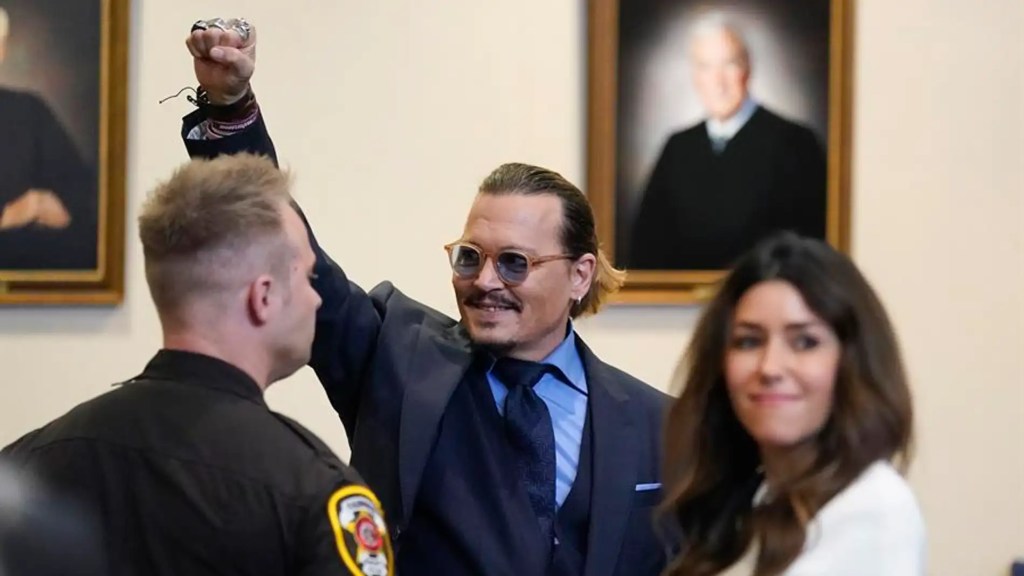
El juicio se lleva a cabo con una enorme expectación de la prensa. Los fans hacen filas y se repliegan a los alrededores del tribunal para dar apoyo a Deep, además todas las redes sociales ardían haciendo seguimiento de todo lo que estaba ocurriendo ya que el procedimiento fue público y televisado.
El caso se centra en el tema de la difamación y hasta qué punto la libertad de expresión se equilibra con el derecho a la protección de la reputación. Los tribunales debieron determinar si las declaraciones de Amber Heard constituyen difamación y si Depp tiene derecho a una compensación por daño a su reputación.
En un caso como este, la credibilidad de los testigos y la calidad de las pruebas presentadas son esenciales, ya que los tribunales deben sopesar la evidencia y determinar la fiabilidad de los testimonios.
En cuanto a las pruebas que se presentan, hay testigos de la actriz que señalan que Johnny cuando estaba sobrio era un hombre muy encantador, pero cuando se drogaba o alcoholizaba cambiaba y se volvía violento. La hermana de la actriz testificó que recibía constantemente malos tratos, que la llamaba de “zorra de mierda”, “puta de mierda” entre otros calificativos. También, hay un video donde una mañana Johnny se muestra muy agresivo, golpeando muebles de la cocina y gritándole a Heard, asimismo se muestra como llena una copa de vino, notándose que había bebido bastante.
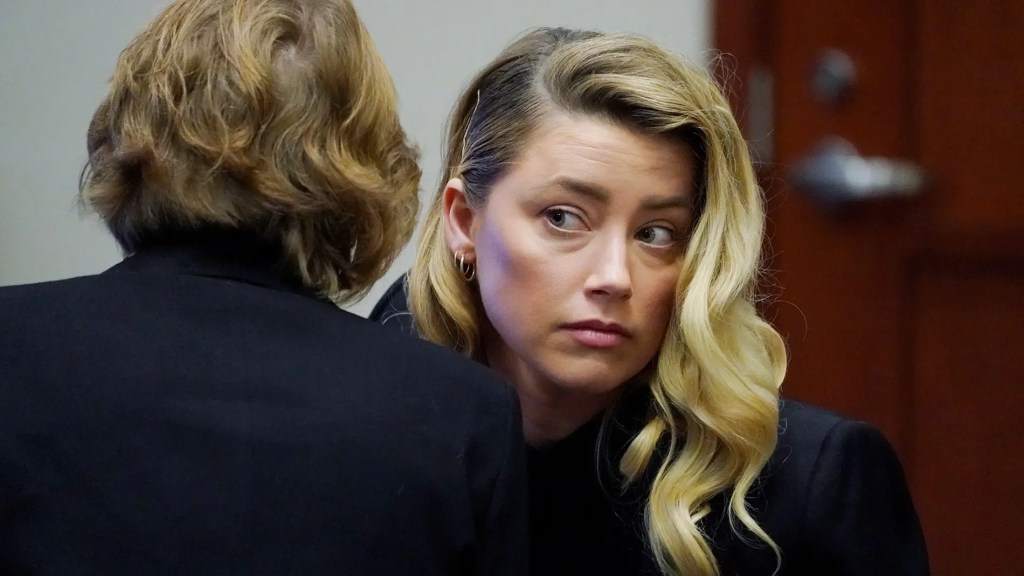
Por otra parte, Amber se muestra bastante incongruente en su relato ya que recurre constantemente a la victimización y exageración de situaciones, por ejemplo, señaló haber sufrido una agresión sexual con una botella de vidrio en Australia, mientras fue a visitar al actor que se encontraba rodando la película Piratas del Caribe 5. Su relato parecía bastante sobreactuado y así también lo percibió el público. Estamos hablando de una acusación gravísima, que no fue muy convincente.
Conjuntamente, se dejan en manifiesto mentiras por parte de la actriz, una de ellas fue el haber donado lo que recibió como compensación en su divorcio, un monto que ascendía a 7 millones de dólares, que según ella fueron a fundaciones sin fines de lucro ya que no tenía ningún interés económico. Todo esto ella lo comunicó en un programa de televisión, pero al parecer nada de esto era real ya que lo que habría hecho fue “prometer” pero jamás se hizo efectiva tal donación.
Otro de los engaños de la actriz, fue señalar que durante toda su relación usaba un kit de maquillaje de marca Milani para cubrirse de los golpes que tenía a causa de la violencia que ejercía su exmarido. Sin embargo, dicha marca refuta sus dichos, haciendo alusión de que el cosmético en cuestión fue lanzado en diciembre del año 2017, fecha posterior a aquella donde se cometieron las agresiones denunciadas.
Otro de los errores garrafales fue decir que la ex pareja de Deep, Kate Most, también habría sido victima de la violencia. Pero Kate testifica en juicio diciendo que eso jamás ocurrió.
Entendamos que ambos son actores y es difícil saber quién tiene la razón, pero el juicio mediático que surge es realmente lo que quería la estrella de Hollywood, ya que a su juicio solo se habían esgrimido palabras falsas que han devastado su honra y han destruido su carrera, por lo que el objetivo central era limpiar su nombre de todas las graves acusaciones.
La gente mayoritariamente muestra su apoyo al actor y comienza un movimiento por redes sociales en el cual se ridiculiza y mortifica a la demandada.
Según la psicóloga y forense presentada por la defensa del actor, Amber tiene un Trastorno límite de la personalidad y trastorno histriónico de la personalidad, lo que la lleva a exagerar todo, dramatizar e incluso inventar situaciones que no ocurrieron con el afán de victimizarse y llamar la atención de los demás.
Finalmente, en junio del año 2022 el veredicto le dio la razón Johnny, condenando a Heard al pago de 2 millones de dólares.
Realmente la apreciación del jurado se basó en las mentiras e incongruencias, lo que le jugó una muy mala pasada a la actriz, además de no tener las pruebas suficientes para demostrar que efectivamente fue víctima abuso doméstico. El demandante a pesar de su consumo problemático de drogas y alcohol, sumado a sus conductas violentas se muestra mucho más creíble y honesto en su relato.
Sin perjuicio de esto, en diciembre del 2022 ambas partes llegaron a un acuerdo en la cual Amber debía pagar 1 millón de dólares a Jonny.
Más allá del resultado, se puede considerar que claramente acá existió violencia cruzada, lo que significa que ambos ejercían violencia (de una u otra manera) con el otro.
Este caso ilustra cómo los asuntos legales, especialmente aquellos que involucran a celebridades, a menudo se desarrollan en los medios de comunicación tanto como en los tribunales y como la exposición mediática influyó en la percepción pública y la opinión sobre las partes involucradas. A pesar de esto, no se justifica el constante hostigamiento y bullying que ha tenido que sufrir la actriz.
Generalmente realizan eventos solidarios en la ciudad de La Unión, o se realizó una fonda para fiestas patrias en Chile. Aún asi, solo han juntado $190 millones, sólo un 10% del total.
SOLGENSMA es una vacuna que se le administra una vez en la vida y sirve para inyectarle el gen que le falta a Emiliano.
¿Qué es la atrofia Muscular Espinal?
Es un grupo de enfermedades genéticas que daña y mata las neuronas motoras.
Las neuronas motoras son un tipo de célula nerviosa de la médula espinal y la parte inferior del cerebro. Controlan el movimiento de los brazos, piernas, cara, pecho, garganta y lengua.
La atrofia muscular espinal puede afectar a la capacidad de un niño para gatear, andar, sentarse y controlar los movimientos de la cabeza. Los casos graves de esta afección hasta pueden dañar los músculos que se usan para respirar y para tragar.
Síntomas de la Atrofia Muscular Espinal
Los niños con atrofia muscular espinal tipo I nacen con muy poco tono muscular, músculos débiles, lo que implica problemas respiratorios de alimentación desde las primeras horas de vida. En los niños que padecen atrofia muscular espinal tipo III, los síntomas pueden no aparecer hasta el segundo año de vida A menudo, la debilidad se nota primero en los músculos de los hombros y en los músculos proximales de las piernas. La debilidad empeora con el tiempo y finalmente se vuelve severa.
Algunos de los síntomas antes de que el niño comience a caminar son:
– Dificultad respiratoria – Dificultad para la alimentación – Bebé flácido (tono muscular bajo) – Ausencia de control de la cabeza – Poco movimiento espontáneo – Debilidad progresiva (lactante a niño pequeño que empieza a caminar)
En niños mayores, los síntomas pueden incluir:
– Infecciones respiratorias severas cada vez más frecuentes – Voz nasal – Empeoramiento de la postura
¿Cómo se diagnostica?
Para confirmar el diagnóstico, el médico elaborará una cuidadosa historia clínica y realizará un examen neurológico para evaluar el funcionamiento del sistema nervioso. Además del examen físico podrá solicitar pruebas de laboratorio como medición de los niveles de creatina-cinasa, un examen de ADN para confirmar el diagnóstico y otras pruebas como electromiografía, resonancia magnética de la columna o biopsia muscular.
¿Cómo se trata la Muscular Espinal?
No hay tratamiento para la debilidad progresiva causada por la enfermedad. Los cuidados complementarios son importantes. Se debe prestar atención al sistema respiratorio debido a que las personas afectadas tienen dificultad para protegerse a sí mismas de la asfixia. Las complicaciones respiratorias son comunes.
La fisioterapia es importante para prevenir contracciones de los músculos y tendones y la curvatura anormal de la columna (escoliosis). Puede ser necesario el uso de dispositivos ortopédicos (corsé).
Si hay antecedentes familiares, se recomienda la asesoría genética para los futuros padres.
¿Qué es la ZOLGENSMA?
Zolgensma es un tratamiento para niños con atrofia muscular espinal (AME), una enfermedad de origen genético que impide el desarrollo adecuado de los músculos y que en su versión más severa suele causar la muerte durante los primeros años de vida.
Si bien no tiene cura, existen medicamentos que ayudan a contrarrestar sus efectos y, de estos, el más revolucionario es Zolgensma. El inconveniente, y motivo de la primera polémica que protagonizó, recae en su precio: US$2,1 millones.
Esta cifra millonaria duplica el precio de la que hasta la llegada de Zolgensma era la medicina más costosa: Luxturna, un fármaco que se vende por US$850.000 y trata la ceguera causada por una enfermedad hereditaria rara.
Si bien Zolgensma trajo esperanza a muchos padres, la noticia de su precio despertó una ola de críticas hacia la farmacéutica dueña de la patente: Novartis.
Ahora, esta multinacional suiza vuelve a estar en el ojo del huracán.
¿Por qué?. Porque la Administración de Medicamentos y Alimentos (FDA por sus siglas en inglés), el regulador que autoriza la venta de medicamentos en Estados Unidos, acaba de descubrir que Novartis no fue del todo sincera en su petición de licencia para vender este tratamiento.
La compañía admitió su responsabilidad este miércoles y ahora se enfrenta a sanciones que pueden llegar a ser de carácter penal.
Quienes nacen con AME presentan niveles bajos de una proteína que hacen posible que nos movamos: SMN.
El cerebro la necesita para poder enviar órdenes a los músculos a través de unos nervios que bajan por la médula espinal.
La AME puede ser de cuatro tipos y se manifiesta, sobre todo, en la infancia. El tipo I es el más agresivo, ya que es muy raro que los pequeños que lo padecen lleguen a cumplir los dos años.
Los tipos II y III también presentan una esperanza de vida reducida, pues al no poder mover los músculos bien o del todo, estos se atrofian.
El tipo IV se deja ver en la adultez, pasados los 30 años.
Los medicamentos dedicados a estos pacientes se centran en aumentar el nivel de las proteínas que permiten el movimiento.
Zolgensma, en cambio, es un tratamiento genético que busca reparar los genes para que sean capaces de producir esas proteínas en cantidades normales.
Se probó en niños de menos de dos años y, dos años después, todos los que lo habían recibido en dosis altas continuaban con vida y sin necesidad de ayuda para respirar, según publicó el Finantial Times. Tres de cada cuatro podía permanecer sentado al menos 30 segundos sin ningún apoyo e incluso hubo dos pequeños que pudieron levantarse y caminar por sí mismos.
ESTE ES EL DÍA A DÍA DE NICO, UN NIÑO ESPAÑOL QUE VIVE CON ATROFIA MUSCULAR ESPINAL Y QUE HA LOGRADO SOBREVIVIR Y HACER UNA VIDA NORMAL.
¿SI SE PUEDE VIVIR UNA VIDA CON ESTA ENFERMEDAD, POR QUÉ NO LE VAS A DAR LA OPORTUNIDAD A EMILIANO DE VIVIR SU VIDA?
Teatro Educativo Edufest 2023 propuesta digna de replicar en otras regiones
· Iniciativa cultural impulsada por jóvenes artistas que se realizará por tercer año, esta vez en Atacama, fue valorada por Yasna Provoste, senadora integrante de la comisión de educación y Gabriel González, Seremi de Educación de la provincia del Huasco
El próximo 25 y 26 de octubre el Gimnasio del Club Deportivo Algarrobo de Vallenar se convertirá en el principal escenario cultural de Atacama, con la tercera versión de EDUFEST 2023, que beneficiará a estudiantes de los distintos colegios públicos del Valle del Huasco, evento que se transmitirá vía web a todo Chile.
La iniciativa patrocinada por el MINEDUC -nacida en tiempos de pandemia- es apoyada por la Compañía Minera del Pacífico (CMP) y beneficia a las comunidades escolares del Servicio Local de Educación del Huasco, alejadas de centros urbanos, facilitándoles el acceso a la cultura, con obras de teatro y talleres educativos de reflexión en aula.
Por su amplia repercusión positiva en la región nortina, la integrante de la comisión de Educación del Senado, Yasna Provoste, valoró esta propuesta de EDUFEST, la que a su juicio debiera replicarse en otras localidades del país, como apoyo al proceso educativo de los escolares.
“EDUFEST se ha consolidado como un evento cultural muy importante, que permite conectar con las comunidades educativas de distintos sectores. Invito a conocer esta propuesta y a conectarse en línea a los colegios de otras regiones y zonas rurales, ante las importantes temáticas que abordan: Bullying, la inclusión, cuidado ambiental, desarrollo sostenible y más. Es una propuesta digna de replicar en otras zonas del país, complementario al proceso educativo de niñas y niños de nuestro territorio”, enfatizó la legisladora.
EDUFEST 2023 será inaugurado por la obra teatral “Reinos Opuestos”, siguiendo a su presentación el montaje “Mi pequeño Pachakuti”. Durante la segunda jornada artística se presenta “El Gigante Egoísta” y “Bloom el jardín de las emociones”.
Estas obras abordan la sostenibilidad y diversidad como ejes educativos, incluyendo valores como la inclusión, el respeto al medioambiente, los derechos de niños, niñas y adolescentes; así como la estimulación de emociones a través del teatro, la música y la danza. Todos estos temas de alto impacto en el proceso educativo de los escolares, se complementan con la realización de talleres en aula, permitiendo reforzar la malla académica que abordan las escuelas públicas del Huasco.
En su tercer año de realización, Antonia Castillo, actriz y creadora del proyecto EDUFEST, acogido a donaciones culturales, resaltó la importancia de reunir a organizaciones de la sociedad civil, la empresa privada y el Estado, facilitando la realización de este evento en Atacama, adhiriendo a colegios públicos, subvencionados y privados, dispuestos a abordar de manera creativa los procesos de enseñanza, de modo presencial en la zona y también vía online a todo Chile.
La joven artista y Gestora Cultural, sostuvo que: “Hemos tenido un gran alcance de audiencia nacional e internacional en las primeras versiones de EDUFEST; muchos profesores y autoridades de otras regiones nos han planteado su interés de concretar esta iniciativa artístico cultural en sus territorios. Por eso estamos muy contentos de ofrecer una propuesta complementaria en la educación chilena, con temas que son contingentes y necesarios de reflexionar en las comunidades educativas, desde la primera etapa de enseñanza escolar”.
La motivación que aglutina a estos jóvenes artistas, quienes desarrollan este proyecto, según precisa Antonia Castillo, está centrada en seguir fortaleciendo la cultura teatral para formar nuevos públicos, abordando los temas y preocupaciones de las comunidades escolares y “contamos con una amplia parrilla programática”, concluyó.
El Seremi de educación de Atacama, Gabriel González Guerrero, también valoró la iniciativa como una herramienta educativa complementaria por la forma de vincular y “llegar a cada una de las comunidades educativas, tanto en inclusión como convivencia, lectura y expresión motriz entre otras alternativas. Contentos porque la provincia del Huasco pueda vivir esta experiencia”.
Representantes de la empresa Minera que respalda EDUFEST 2023, también valoran la alianza lograda con los artistas, como parte del compromiso de fortalecer el desarrollo de habilidades de estudiantes y sus familias con una mirada sostenible en su territorio, especialmente con los talleres “EDUFEST en el Aula”, programa complementario de actividades para los estudiantes//.
A continuación los audios del SEREMI de ATACAMA, la senadora por esa región Yasna Provoste y Antonia Castillo.
A continuación un resumen de lo que fue el EDUFEST 2022.
REPORTAJE: Francisco Calderón M – FOTOGRAFÍA: Agencia EFE
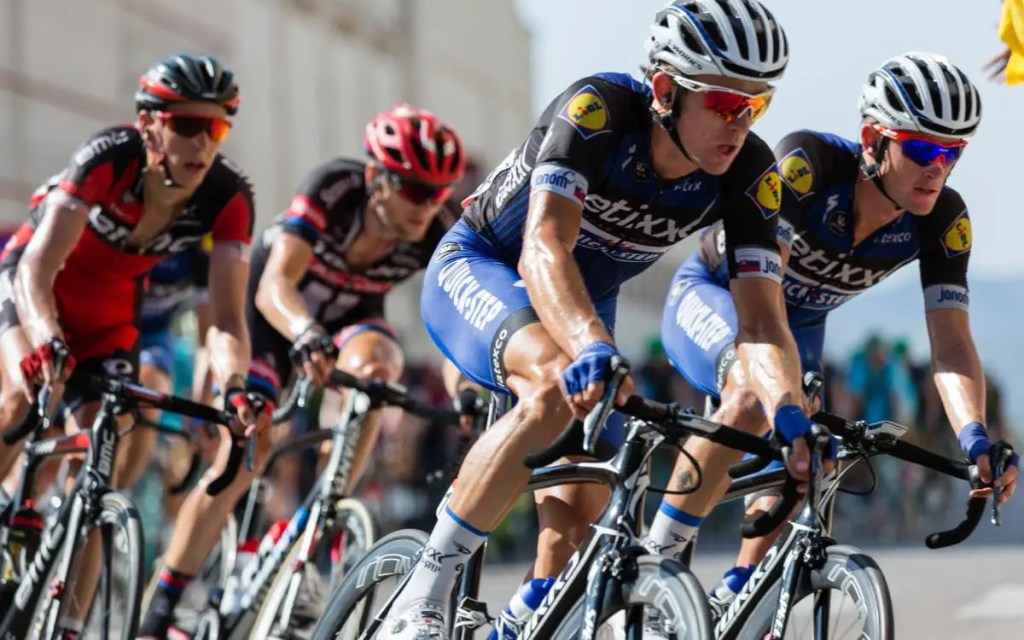
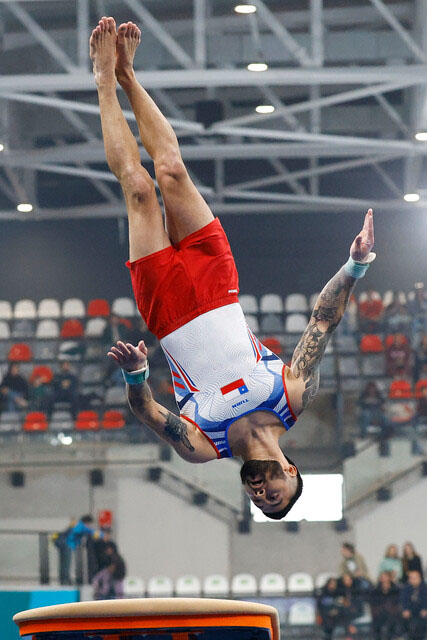
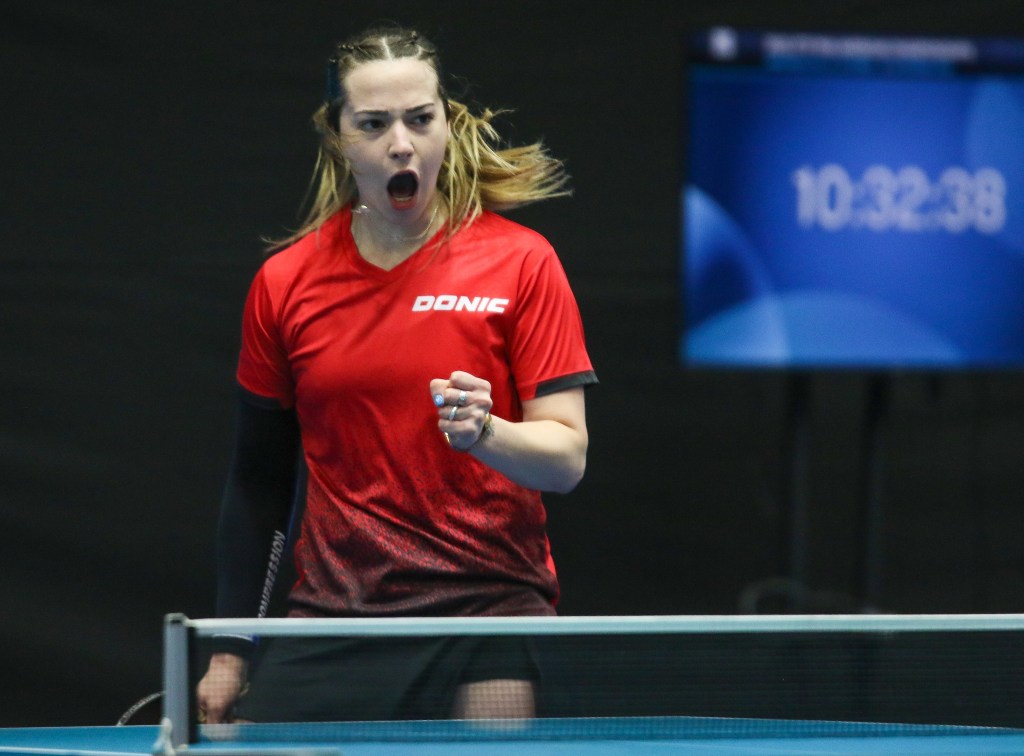
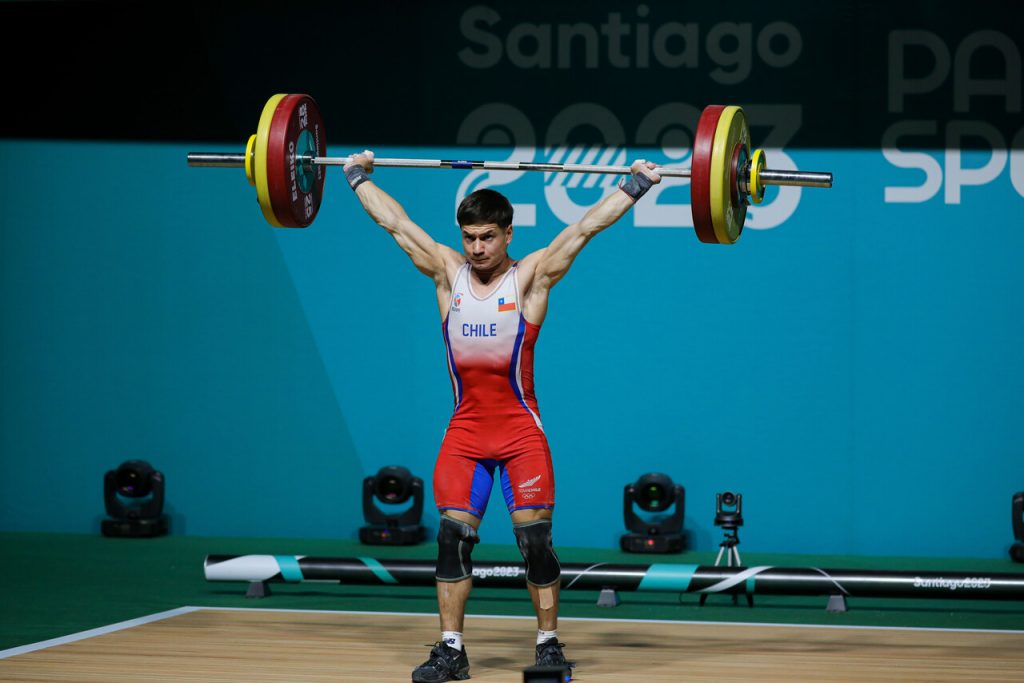
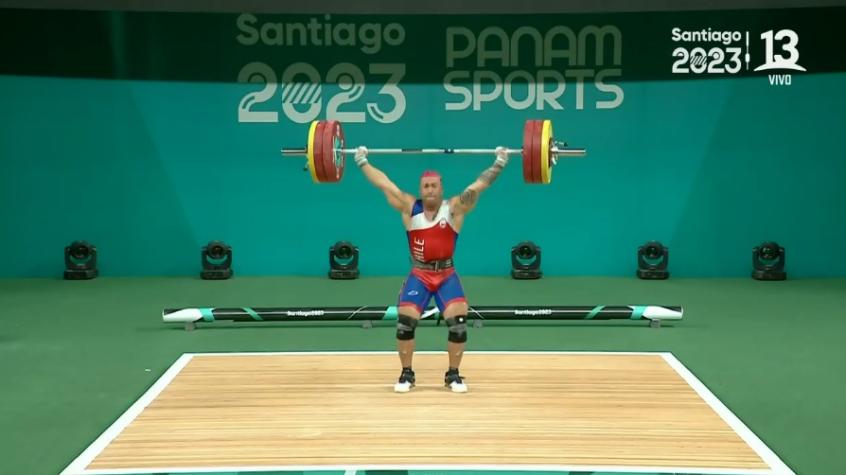
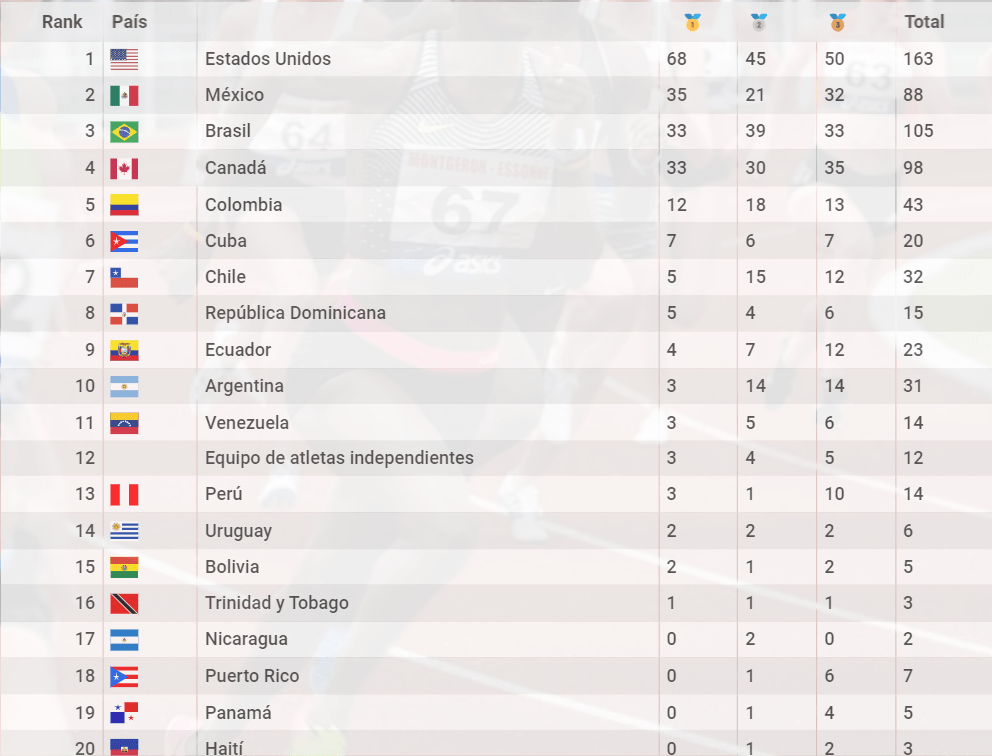
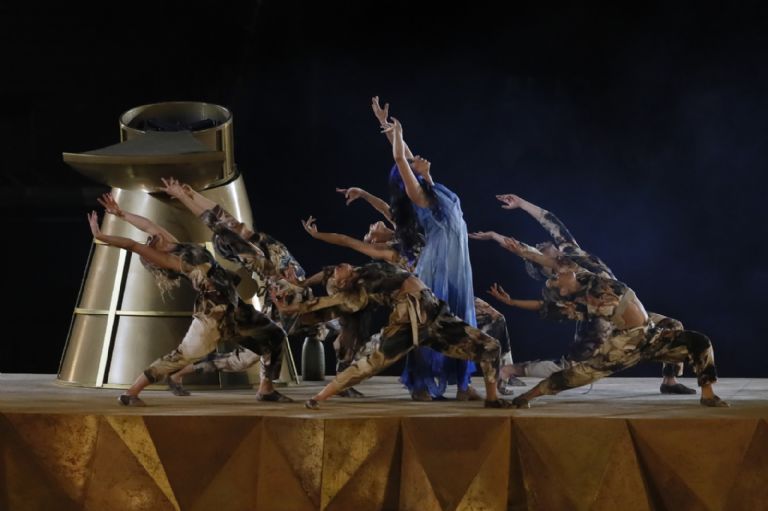
Estas imágenes son las postales de la primera noche de los Juegos Panamericanos Santiago 2023, las cuales se celebraron en el estadio nacional Julio Martínez en Chile.
Cómenzó con un concepto sobre la geografía y las tradiciones, personajes y bailes típicos de Chile mostrado a través de bailarines en una coreografía muy conceptual.
Siguió con una demostración de drones formando distintas figuras en el cielo, hasta que los deportistas y atletas comienzan a desfilar por el estadio Nacional, por letra alfabética, siendo pais finalista el dueño de casa, Chile, con la delegación. Podrás ver los deportistas chilenos que participarán en este siguiente link: https://cmstudiosinc.com/2023/10/19/que-deportistas-chilenos-iran-a-los-juegos-panamericanos/
El espectáculo siguió con la antorcha, la cual era encendida por el ex – futbolista Elías Figueroa. Anteriormente Ivan Zamorano, junto a Nicolás Massu y Fernando González caminaron con ella, sobre la cancha. La bandera nacional fue tomada por 6 ex deportistas como la maratonista Erika Olivera, el gimnasta Tomas González y el velocista Sebastían Keitel, junto a otros ex atletas.
El himno nacional lo entonó Constanza Wilson, soprano que cantó anteriomente en la visita del papa Francisco a Chile, cuya melodía fue acompañada de la orquesta de 51 músicos de la Fuerza Aérea, la cual fue ovacionada por el público presente.
Comenzó la ceremonia tras llevar la bandera la deportista de BMX, Florencia Monsalve, quien la entregó a 1o cadetes de todas las ramas de las fuerzas armadas quienes la izaron en el estadio.
Finalizan la ceremonia de los juegos, el show de los artistas y conjuntos chilenos como Los Jaivas, Los Bunkers, Los Tres, Anita Toujeaux, y el cantante colombiano Sebastián Yatra.
En este video puedes ver la inauguración de los juegos y posteriomente las mejores postales de esta jornada.
PROGRAMACIÓN DE HOY SÁBADO Y PARTICIPACIÓN DEL TEAM CHILE
08:00 Remo – Antonia Abraham y Melita Abraham. Ignacio Abraham y Christopher Kalleg. Victoria Hostetter y Melita Abraham.
9:00 Pentatlón – Esteban Bustos / Martín Gajardo. 12:30 María José Bravo / Rocío Varela.
9:00 MTB – Martin Vidaurre.
9:00 Natación – Kristel Kobrich*
9:00 Tiro – Francisca Crovetto. Héctor Flores y Jorge Atalah
9:30 Esqui Acuatico – Agustina Varas, Martin Labra
ENTREVISTA: Francisco Calderón M. – FOTOGRAFIA: Angel Eventos – Jaime Contreras
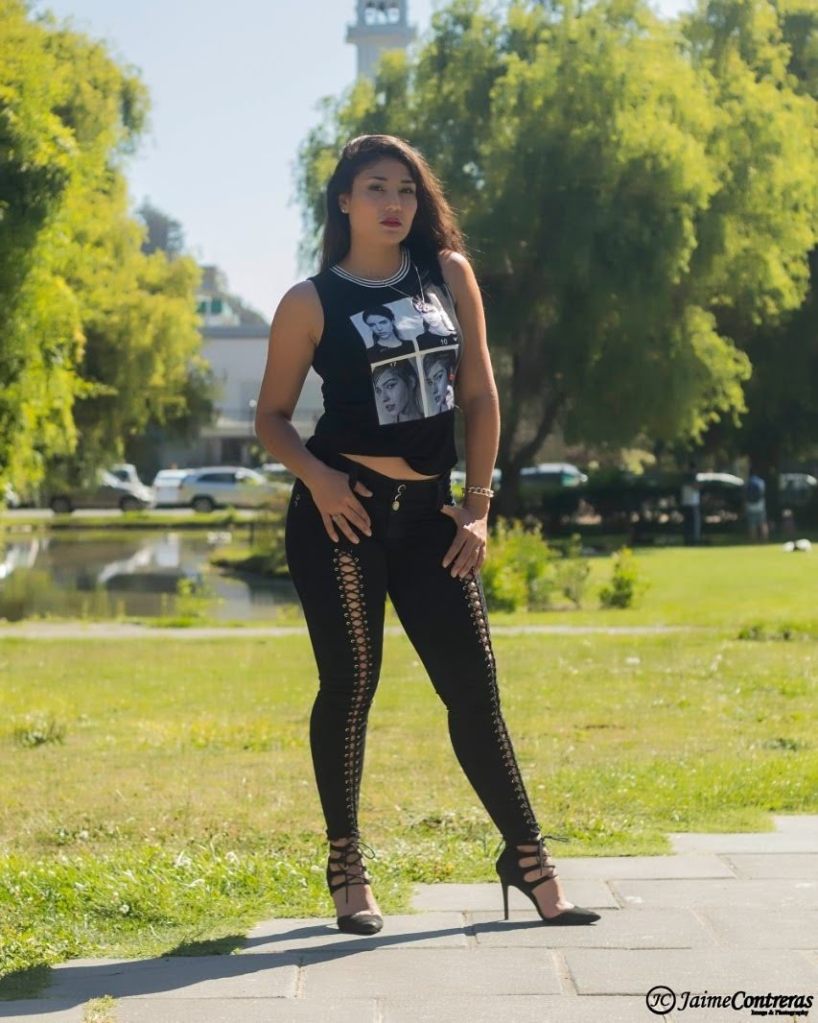
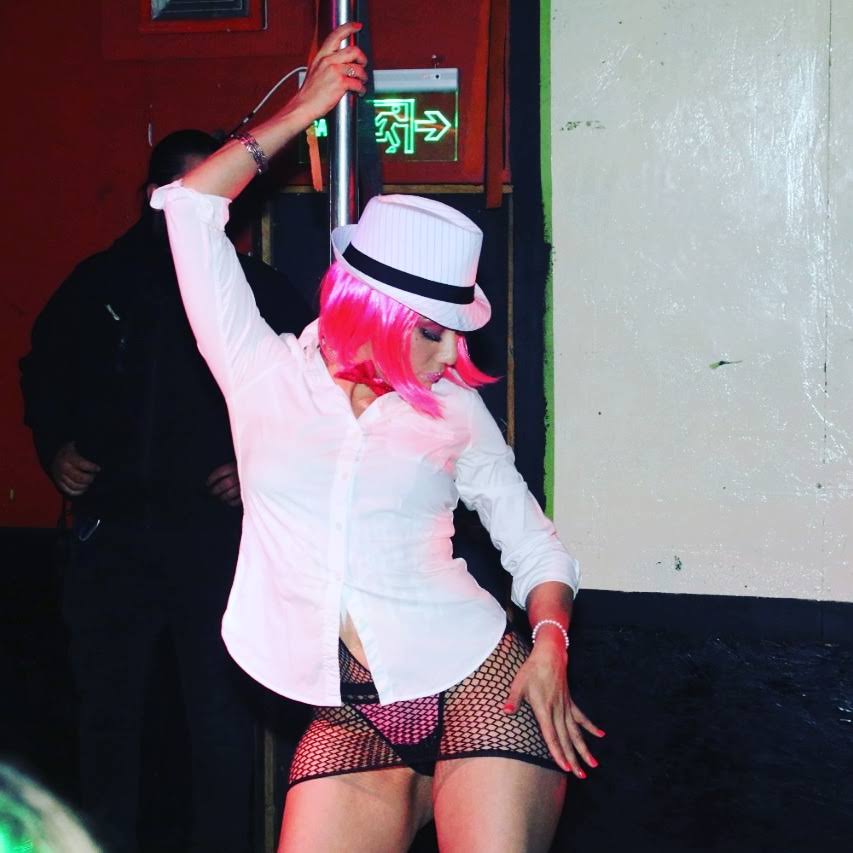
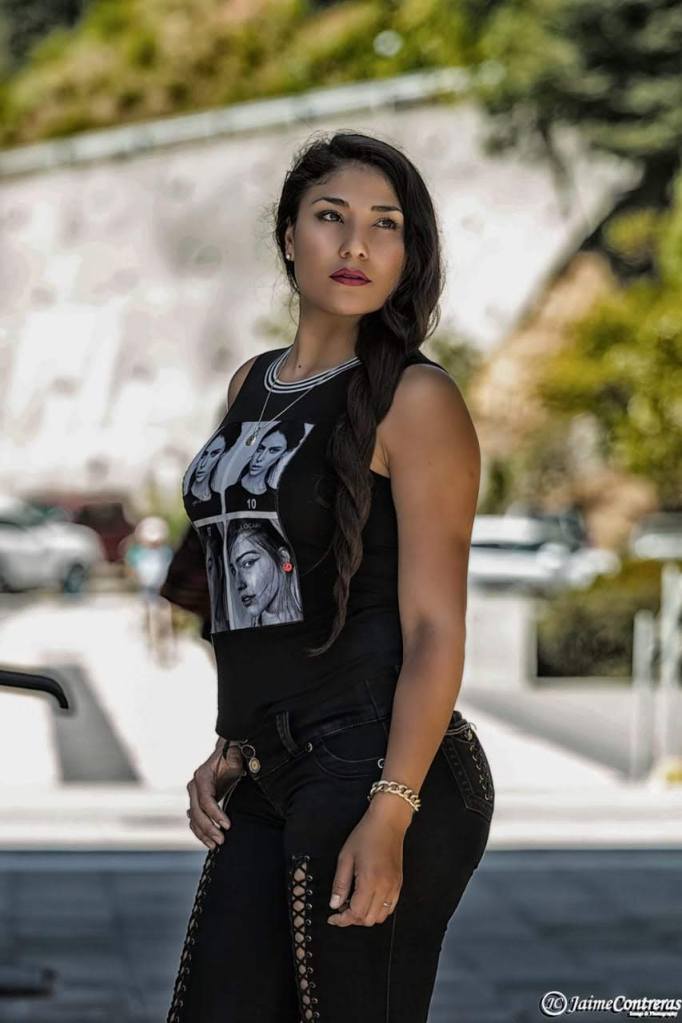
Angela, es bailarina, stripper, instructora de zumba y masajista, multifacética e inquieta con inquietudes artísticas desde niña, es la reina de la noche frente a todos sus fans e incluso de mujeres que también son sus seguidoras. Con una hermosa familia y madre de 3 niños, se divide entre los eventos, su hogar y sus futuros proyectos. ¿Por qué baila y por qué le va tan bien por la vida? Esta es su historia.
¿Qué te motiva a bailar zumba y stripper? ¿Por qué las 2 disciplinas tan diferentes?
Bueno desde muy pequeña estuve en academias de samba, u otras estilo «flash dance» como la película y todo lo que fuese artístico, ahí estaba metida, como canapé jajaja . Entonces fué que descubrí mi gusto por el baile. En mi trabajo de stripper ya son 13 años . El cuál no ha sido fácil están los pro y los contras! Pero me quedo siempre con lo bueno!! Todo ha sido una enseñanza . Me gusta lo que hago, lo disfruto mucho, por eso entrego todo en el escenario. Y amo cuando eso se hace notar y al público le gusta y disfruta . La zumba es una variante del baile por tanto me encanta también , y bueno el principal apoyo fue mi pareja, quien ha estado conmigo para apoyarme en cada decisión tomada.
Interesante lo que me cuentas, Y tu familia, ¿qué dijo de ser stripper?¿Como ha reaccionado tu público?, ¿qué problema haz tenido?
Bueno yo me independicé a mis 17 años .. así que no hubo tiempo para opinar, ya que a los 20 comencé a bailar.
Amo mi público , los que me siguen a donde vaya, fiel a mí, amo el cariño que me entregan, lo hacen notar siempre .
¡Que buena eso es bonito!. ¿Y que curiosidad o anécdota puedes contar en el baile o con tu publico?¿Algo chistoso que te haya ocurrido?
Problemas … Mmmmm.. con mi trabajo no he tenido que yo recuerde. Gracias a Dios me he topado con gente buena . .
La anécdota que jamás olvidaré jajajaj. Una vez fui a una despedida de solteros en Colina. Y un muchacho me mordió. Y una mala experiencia que tuve no hace mucho fue en una disco dominicana y un muchacho me dio un nalgazo que la mano se me quedó pegada una semana ahí.
¿Y que opinas del mejor público.. el chileno o el extranjero?
Full Chileno, y sinceramente me encanta y, ¿ sabes que me gusta mucho? ¡Que tengo mucho público mujer! Entonces siento esa vibra del matriarcado, ¡que me encanta! Cuando salgo al escenario son las que hacen bulla y hacen barra, gritan… Es fabuloso y gratificante a la vez .
¿En serio?? ¿Tienes más seguidoras??
Siii.
¿Y que expectativas haz tenido con eso?? ¿Como enfocas la sensualidad hacia mujeres?¿Es la misma o debe tener algun ingrediente especial?
Bueno mira humildemente puedo decir que mi show es muy versátil! , no me da pudor acercarme a una chica si tengo que hacerlo ellas también lo disfrutan! .. el coqueteo es igual .. pero cabe mencionar que las chicas siempre son más jugadas que los chicos ..
Vaya no lo imaginaba… ¿Y que música usas en tus shows?? ¿El stripper tiene ciertos pasos de baile o es libre?
Mira a medida del tiempo me he tenido que ir adaptando, ya que trato de bailar lo que esté a la moda..
Y lo que pega es el reggaeton, pero yo no escucho reggaeton. Por tanto trato de buscar algo que se adapte .. ya que me gustan los ritmos rápidos.
Es variable ya que hay chicos colegas! Que hacen sus coreografías todo bien organizado..
¡Yo no!
Yo fluyó con la música …la siento y le doy.
Mi show dura aproximadamente 12 min el cual se compone de dos canciones rápidas y dos canciones lentas.
Vaya!! osea tiene su ciencia.
¡¡Si así es!!
¿Y que sientes al bailar?? ¿¿Que te inspira hacerlo??, ¿Tienes alguna mentora, gurú, alguna película queviste?
¡Me siento libre!
¡Me siento plena!
¡Amo el bailar!
Hago tiktok, me divierte .
Me inspiro en que sé que algún día lograré comprar mi casa , y tener mis cosas .
Haciendo lo que me gusta y que me paguen por eso .. es maravilloso. La verdad …! Es que las películas de baile que he visto y me encantan creo no tienen nada que era con lo que hago.
Pero me gusta “Flash Dance” , “Dirty Dancing”, y “Baila Conmigo” de Chayanne.
¡Si mucho! Me hubiera gustado llegar a tal nivel .. pero nunca es tarde para seguir aprendiendo
Que buena, te identifican. Y si tienes hijos, ¿cómo lo haces para lidiar tu trabajo con la maternidad??
Si tengo hijos, 3 varones.
Asi es siempre se aprende… Genial! ¿Entonces como lo haz hecho?
Bueno gracias a Dios tengo una pareja que me apaña en todo! Como la mayoría de mis trabajos son nocturnos el me apoya en ese horario
Estuve trabajando de cocinera en un hogar de abuelitos, pero tuve que renunciar ya que no me daba .. a veces salía de trabajo a las 20 hrs y a las 21 tenía evento.
¿y no han tenido problema como pareja con respecto al baile, o con tus fans?
Nooo para nada .. es más en ocasiones me ha acompañado.
Y ahora ha participado en mi show
Y como pareja un 7, ¿En serio??
Un 10.
¿Como se conocieron? ¿Como es su historia de amor?
¡Fuimos vecinos de piso! Yo me vine de Concepción y renté un departamento en Peñaflor , eran de 3 pisos. Y bueno él era mi vecino del frente.. el conoció a mi madre primero y ella nos presentó..
Después el me empezó a entrenar ya que él es preparador físico … Y así en cada entrenamiento se iba quedando más ratito conmigo y nos empezamos a conocer…
Jajaja un día me habló para invitarme a comer churrasco , él siempre me dice que estaba estudiando ese día y estaba muy nervioso por que no sabía si le iba a decir que si o que no.. pues dijo no pierdo nada y saz!!, le dije que sí. Y de ahí para delante…
Genial!! todo se fue dando entonces.. y ¿que te gustó de el y a el que le gustó de ti?
Bueno aparte de ser bello, es un hombre muy respetuoso, cariñoso, amable, dedicado, trabajador .. Y desde el día uno me demostró como se sentía conmigo …
Y bueno no es que lo diga yo pero él dice que soy hermosa ya que me mira con ojos de amor, tenemos proyectos juntos, es todo muy hermoso
Eso es bonito.. ¿como se proyectan?, ¿piensan bailar juntos?, ¿instalar una academia de baile?, ¿una discotheque? participar en torneos de baile?
Bueno nos proyectamos pero diferente… Estamos tramitando lo del leasing habitacional para tener nuestra casita.
Hemos conversado de abrir una academia de baile para poder ambos trabajar en ella, el como couch , personal trainer y yo dando clases de baile.
Dios quiera, nos permita sacar a flote todo eso que pensamos y soñamos.
Que bonito que tengan esos proyectos juntos. ¿Que consideras que es lo más sublime del baile, de tu pasion?.
Sin duda la experiencia de cada escenario, ya que cada show es único, no se vuelve a repetir son experiencias que voy atesorando y la adrenalina de escuchar el bullicio de la gente afuera es waaaoo… algo totalmente excepcional.
¿Cuál ha sido el show que más te ha gustado y el que menos te gustó??
Mmmm fue en Grammy! Pasa que ese escenario es enorme y humildemente puedo decir que no me quedo pequeño, todo y más!! Fui de espartana .. eso fue un espectáculo …
Y el que menos me ha gustado fue en una despedida de soltero.. el novio ya estaba uuuuff borrachisimo y no me gusta trabajar así. Tengo un tema con eso, muchas veces es tarde pasado la 1 de la madrugada, entonces, cuando llego, la mayoría estan ebrios y es molesto por que hay que estar frenando, se ponen un poco patudos , pero gracias a Dios nada que no se pueda controlar, nunca he tenido un problema de gravedad.
Claro me imagino, hay que controlarlos, ¿y el show de espartana, como fue?, ¿Con más bailarines??
Jajaja así es!! Siempre trato de que mi vestimenta sea muy original , ya que me gusta mucho jugar con la sensualidad, por tanto trato de salir tapadita para bailar mis canciones rápidas, como vaya quedando a la imaginación, para cuando debo hacer el desnudo. Generalmente los shows son individuales o al menos los míos.
¡Que buena!, osea bailas más en forma individual.. y, ¿Cuál puede ser el show más soñado o el más ideal para ti, que aún no haz hecho?? ¿¿Que ambientación le darías?
Uuuf… créeme que me estoy preparando para eso … Quiero dar un espectáculo, que el público pueda disfrutar y diga ¡uau! ella es buenísima.. Siempre me imagino algo así como 9 semanas y media para la parte del desnudo, a contra luz con una escenografía espléndida y con dos bailarines hacer una coreografía espectacular
¡Que bonito¡ ¿y te gustaría ir a la television?? O participar en un programa de talentos o ir a bailar al festival de Viña? ¿O incluso estar en la noche de los solteros de la Teleton??
Uufff sería tremenda experiencia, el año pasado me hablaron para ir a la Teletón pero al final no se concretó.. Me gustaría si se llega a dar. Viviré y disfrutaré al máximo mi momento.
¡Buenísimo! ¡si eso es bonito!! ¿y al festival de Viña, irias?
Siiii obvio!! ¡me encantaría! Sería una bonita experiencia.
¡que bonito! ¿y bailar en Las Vegas?.
¡¡En esta vida todo se puede!! Viajé a Las Vegas en Abril pero no fui a trabajar .. las ganas me sobraban, lamentablemente creo que no fui con las personas correctas! Así que se estaba planificando un nuevo viaje con una amiga y colega, y esta vez sí será para dejarlo todo en el escenario
¿Crees que se podría dar esa posibilidad de proyectar tu carrera al extranjero, lo haz pensado?
¡Lo he pensado! Con mi familia siempre hablamos de irnos a España o a USA así que al menos la idea está solo falta concretar.
¡Que genial! seria muy bonito verte bailar por esos lados…
¡un sueño!, se me olvidó mencionar que soy masajista, también.
¡Que buena!! ¿Y como lo combinas con todo lo que haces?, ¿ Como nació esa inquietud por los masajes?
Un día X yo en casa mi pareja en el trabajo .. Ya pensando hace un tiempo en buscar un trabajo en el día para complementar y obviamente hacer más dinero, se me ocurrió hacer un curso de masaje, del cual ya tengo 6 títulos, con distintos tipos de masajes. Pero por ahora estoy haciendo el de relajación y reductivo. Y bueno gracias a Dios, me da el tiempo para todo .. trato de coordinar bien mis horarios y no estresarme jajaja. Me va bien y ya me estoy haciendo de mi clientela.
Y por último, ¿qué mensaje le darías a quienes se inician en tu trabajo, ya sea zumba, streep, o masajes??
¡¡Así es!! Les daría un masaje de relajación, así botan tensión después de un buen baile, un buen masaje.
Es una disciplina que se encarga de estudiar la posición y movimientos de los astros (planetas, luminarias y puntos matemáticos) y su influencia en las personas, ya que según la posición en que estos se encuentren en el momento exacto de nuestro nacimiento, puede revelar rasgos de nuestra personalidad, así como también nos indican los eventos y situaciones o escenarios que podemos experimentar a lo lago de nuestras vidas.
La astrología también nos ayuda a interpretar los acontecimientos que se van desarrollando a través de la historia.
¿Qué es una carta natal?
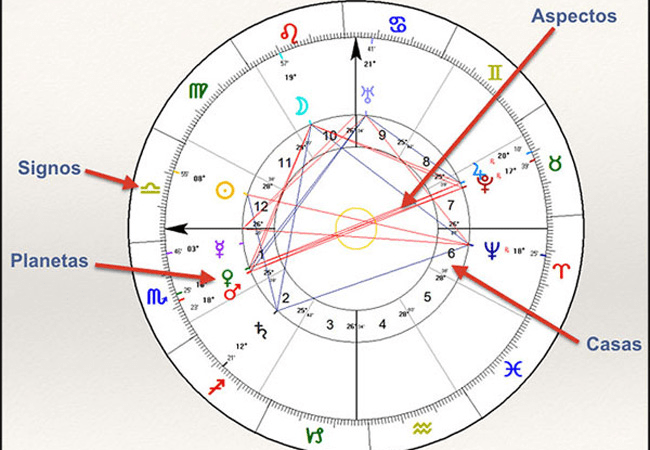
Carta natal y carta astral es lo mismo y es básicamente una foto de cómo estaba el cielo en el momento exacto de tu nacimiento, según el lugar y hora de nacimiento. Con estos datos se crea un diagrama que representa desde una perspectiva geocéntrica las posiciones planetarias en signos y casas astrológicas.
La carta astral está compuesta por diferentes elementos, entre ellos los 12 signos del zodiaco, Aries, Tauro, Géminis, Cáncer, Leo, Virgo, Libra, Escorpión, Sagitario, Capricornio, Acuario y Piscis.
También contiene los planetas de nuestro sistema solar, en los que se encuentran el Sol, la Luna (luminarias), Mercurio, Venus, Marte, Júpiter, Saturno, Urano, Neptuno y Plutón. Asimismo, están los nodos lunares del karma, Lilith (puntos matemáticos), Quirón y otros asteroides.
En una carta astral se analizan la posición de los planetas en los diferentes signos del zodiaco y en las 12 casas astrológicas. Cada planeta tiene una influencia en específico.
Las casas astrológicas son 12 divisiones y representan diferentes aspectos de la vida como la personalidad, los recursos, la comunicación, el hogar y familia, la creatividad y amor, la salud y cotidianidad, asociación y pareja, transformación y sexualidad, creencias, profesión, amistad y grupos y la casa del subconsciente. Cada casa astrológica está asociada a un signo zodiacal y tiene un significado en específico.
La posición de los planetas en las diferentes casas, así como los aspectos que forman entre sí, proporcionan información detallada de cómo se expresan los distintos aspectos de la vida de una persona.
Y finalmente tenemos los aspectos astrológicos, que dentro de los más importantes está la conjunción, oposición, cuadratura, trígono y el sextil. Según el tipo que sea, pueden ser armónicos o tensos y pueden indicar fortalezas, debilidades o desafíos en diferentes áreas de la vida.
Al analizar una carta astral lo más importante es determinar el signo solar, lunar y el ascendente de la persona.
El signo solar es aquel en que se encontraba el sol en el momento del nacimiento y representa nuestra esencia y energía vital, este suele ser el signo más conocido por las personas.
El signo lunar es aquel en que se encontraba la luna en el momento del nacimiento y representa nuestro mundo emocional, cómo nos nutrimos, los instintos y el mundo interior de cada uno de nosotros. También nos habla de como nos materno nuestra madre (o figura materna) y como esto influye a la hora de poder satisfacer nuestras necesidades.
Y finalmente el signo ascendente es aquel que se encontraba en el horizonte al momento del nacimiento, significa como nos mostramos, es la imagen o mascara que mostramos al mundo y nuestra personalidad. Además, en el signo que se encuentre nuestro ascendente se darán experiencias de vida que serán un desafío, es una energía que tenemos que incorporar y a la cual nos iremos haciendo consciente a lo largo de la vida.