Los orígenes
Antes de la llegada de los españoles, el territorio formaba parte del espacio habitado por pueblos indígenas de la zona central, especialmente comunidades vinculadas a los picunches.
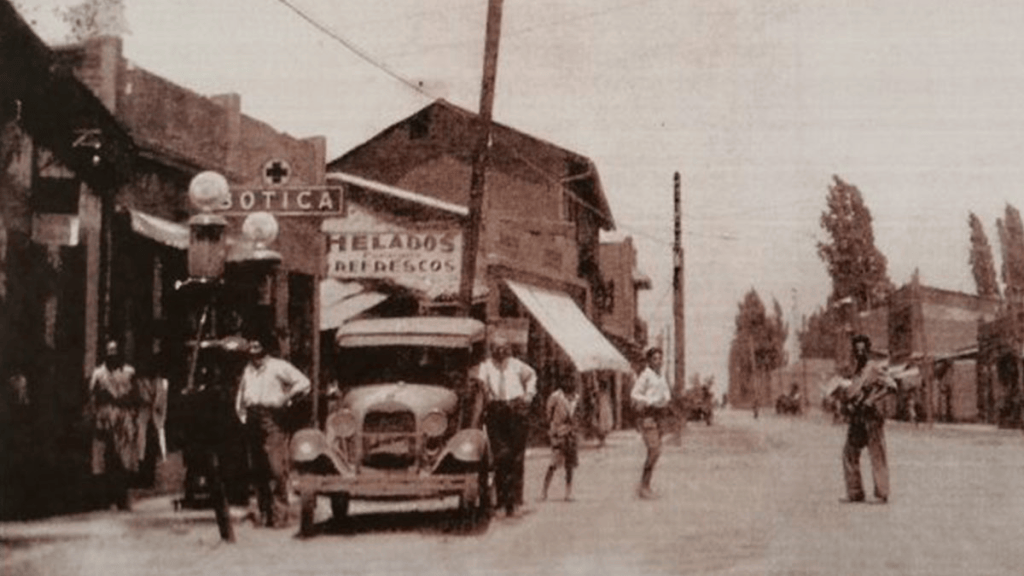
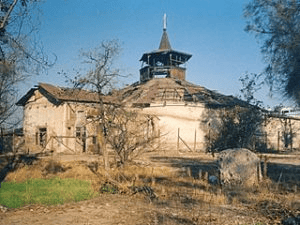
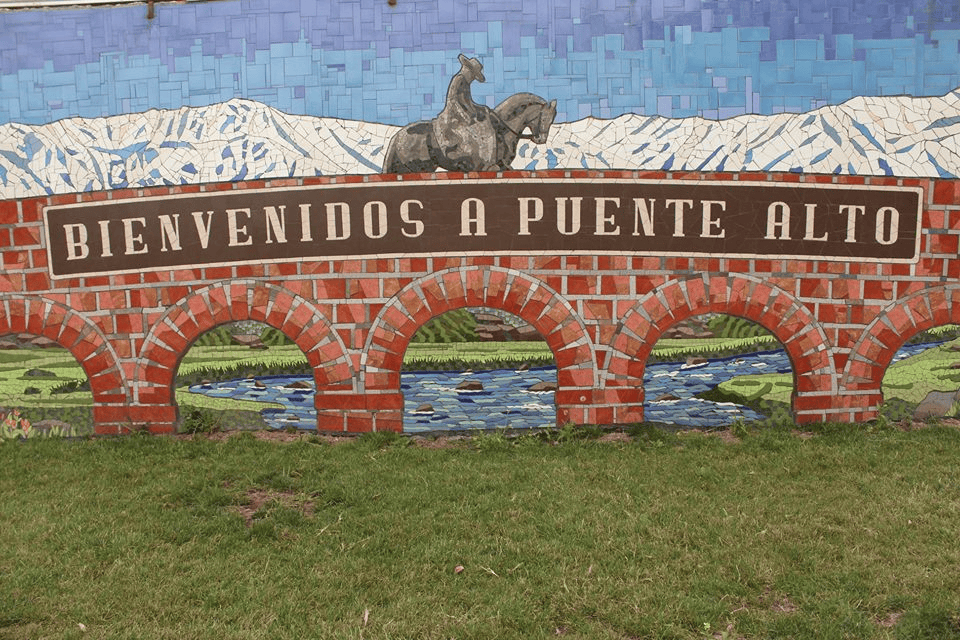
Durante la época colonial, el área al sur del río Maipo comenzó a organizarse en torno a haciendas y terrenos agrícolas. El nombre Puente Alto está relacionado con un antiguo puente o paso elevado sobre cursos de agua de la zona.
El gran cambio: la industria
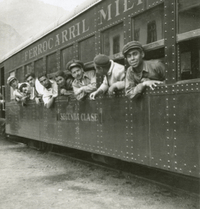
Uno de los momentos decisivos ocurrió a fines del siglo XIX y comienzos del XX. Puente Alto empezó a transformarse con la llegada del ferrocarril y, sobre todo, con el desarrollo industrial.
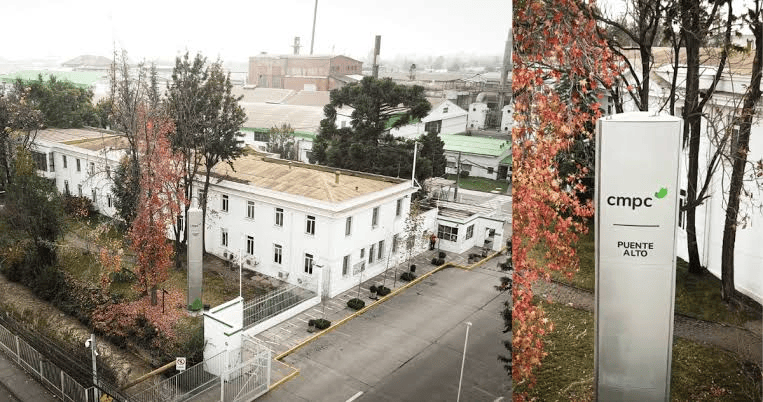
La Compañía Manufacturera de Papeles y Cartones (CMPC) instaló allí una importante fábrica de papel en 1920. La industria atrajo trabajadores y sus familias, haciendo que el pequeño asentamiento creciera rápidamente.
También se desarrollaron actividades textiles, agrícolas y otras industrias.
Fundación de la comuna
Puente Alto fue establecido como comuna en 1892. Con el tiempo se convirtió en un importante núcleo urbano del sector sur de Santiago.
Durante el siglo XX llegaron grandes cantidades de familias provenientes de otras partes de Santiago y de distintas regiones del país. Se construyeron poblaciones y conjuntos habitacionales, especialmente durante las décadas de 1950 a 1980.
Puente Alto y Santiago
Durante buena parte de su historia, Puente Alto estuvo bastante separado físicamente del centro de Santiago, a 22 kilómetros. El crecimiento urbano terminó uniendo ambos espacios.
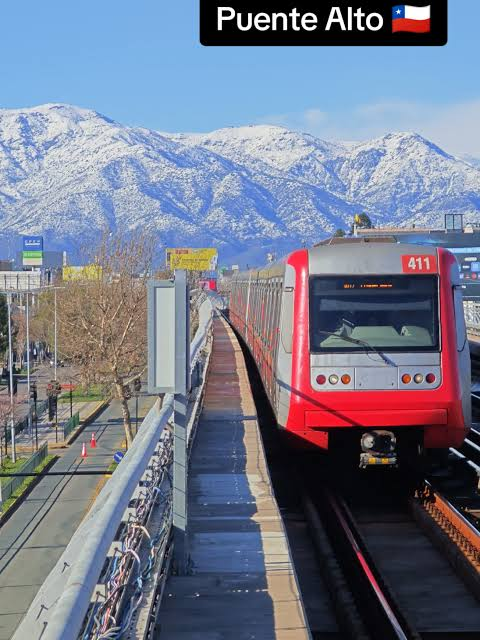
Un acontecimiento fundamental fue la llegada del Metro de Santiago. La Línea 4 comenzó a operar hacia Puente Alto en 2005, conectando la comuna directamente con el resto de la capital y acelerando todavía más su integración metropolitana.
La identidad puentealtina
Puente Alto no es solamente una comuna dormitorio. Tiene una identidad cultural propia, vinculada a:
- la tradición obrera e industrial;
- las poblaciones y organizaciones vecinales;
- clubes deportivos y sociales;
- parroquias y organizaciones comunitarias;
- artistas y gestores culturales locales;
- movimientos sociales;
- una fuerte vida barrial.
The History of Puente Alto
If you mean the history of Puente Alto, Chile, it is quite interesting because the area went from being mainly rural and agricultural to becoming one of the most populated municipalities in the country.
The origins
Before the arrival of the Spanish, the territory was part of the area inhabited by indigenous peoples of central Chile, particularly communities associated with the Picunche people.
During the colonial period, the area south of the Maipo River began to be organized around large estates and agricultural lands. The name Puente Alto is related to an old bridge or elevated crossing over waterways in the area.
The great transformation: industry
One of the decisive moments came in the late 19th and early 20th centuries. Puente Alto began to transform with the arrival of the railway and, above all, with industrial development.
The Compañía Manufacturera de Papeles y Cartones (CMPC) established an important paper mill there in 1920. The industry attracted workers and their families, causing the small settlement to grow rapidly.
Textile production, agriculture, and other industries also developed.
The creation of the municipality
Puente Alto was established as a municipality in 1892. Over time, it became an important urban center in the southern part of Santiago.
During the 20th century, large numbers of families arrived from other parts of Santiago and from different regions of Chile. Neighborhoods and housing developments were built, especially between the 1950s and 1980s.
This helps explain part of Puente Alto’s social and cultural identity today.
Puente Alto and Santiago
For much of its history, Puente Alto was relatively separated from central Santiago. Urban expansion eventually connected the two areas.
A fundamental event was the arrival of the Santiago Metro. Line 4 began operating to Puente Alto in 2005, directly connecting the municipality with the rest of the capital and further accelerating its integration into the metropolitan area.
The identity of Puente Alto
Puente Alto is not simply a commuter municipality. It has its own cultural identity, connected to:
- its industrial and working-class traditions;
- neighborhoods and community organizations;
- sports and social clubs;
- churches and community organizations;
- local artists and cultural managers;
- social movements;
- and a strong neighborhood life.
FOTOGRAFÍAS Y LUGARES PARA VER Y CONOCER.
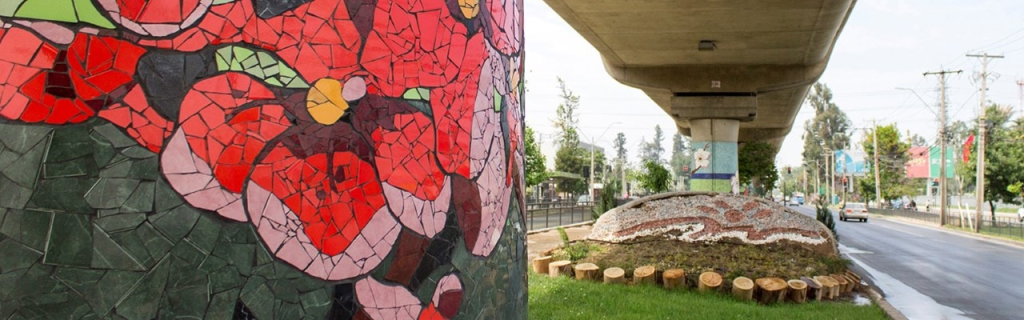
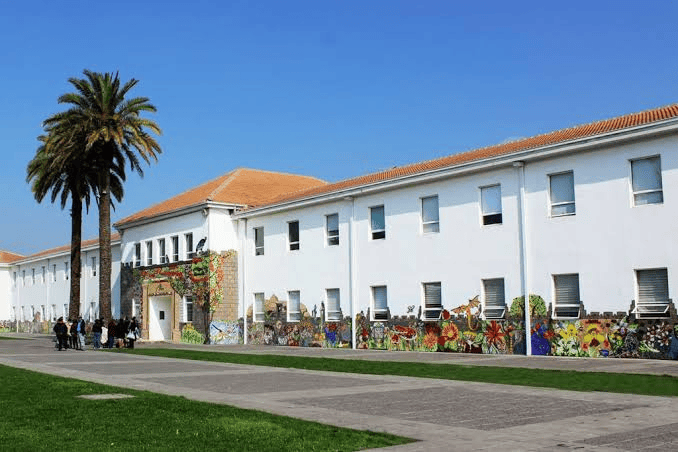
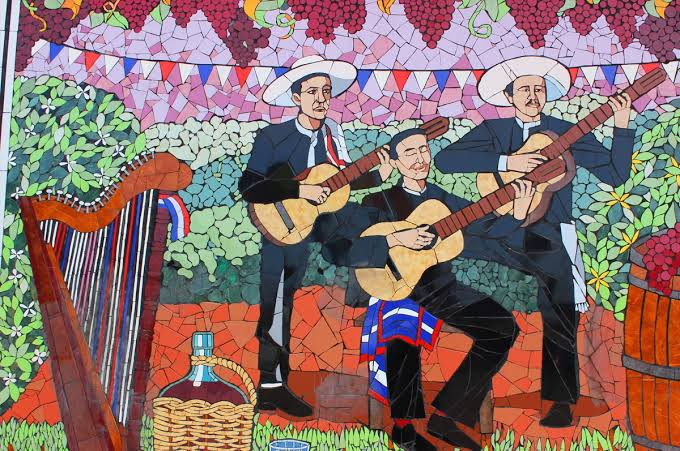
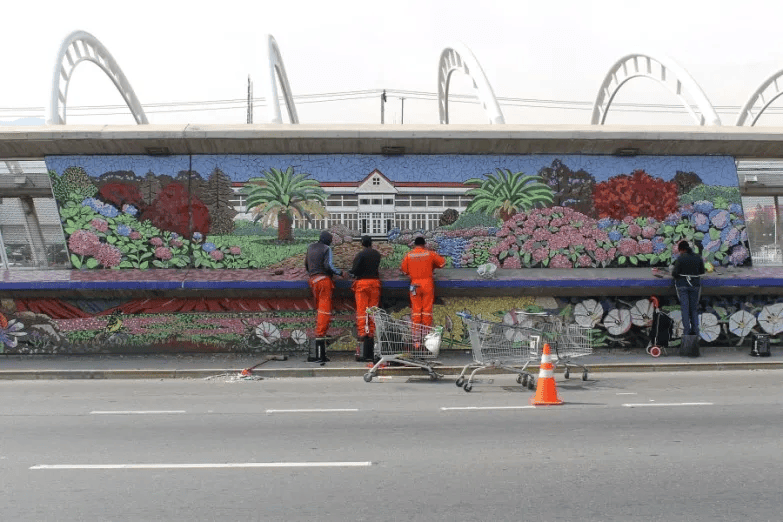
PUENTE ALTO, CAPITAL DEL MOSAICO.
En la web de la Corporación Cultural de Puente Alto, podrás ver todos los mosaicos para que los visites.
https://www.culturapuentealto.cl/mosaicos/
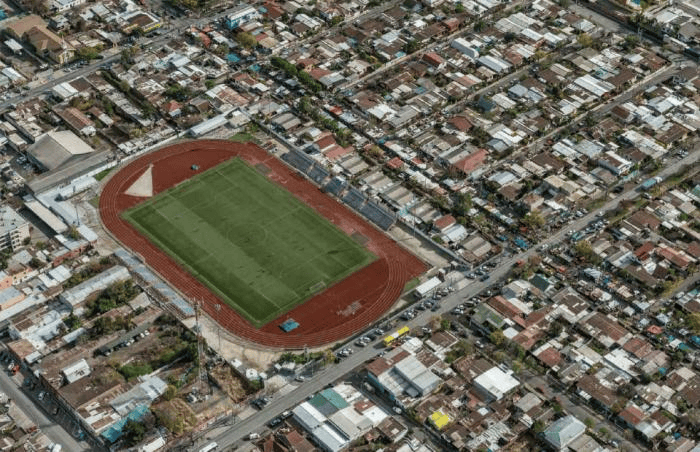
ESTADIO MUNICIPAL DE PUENTE ALTO
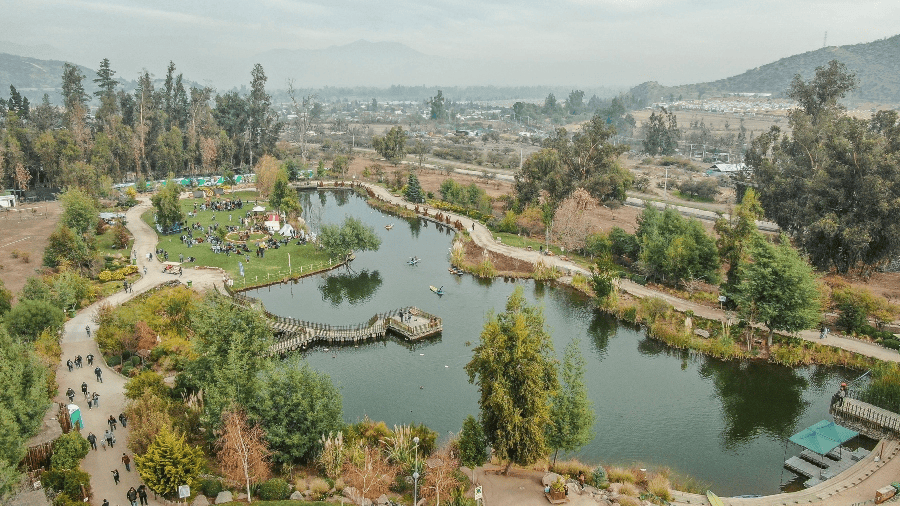
PARQUE LAS VIZCACHAS.
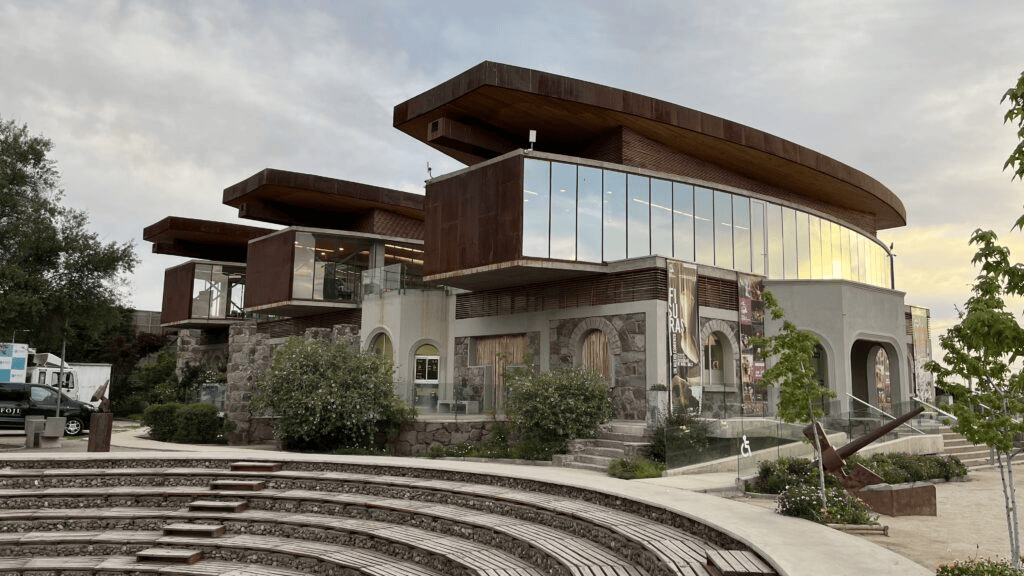
CORPORACIÓN CULTURAL PUENTE ALTO.
VISTAS DE LA CORDILLERA DESDE EL METRO.
PARQUE NATURAL CERRO LA BALLENA